Cardiac safety assessment is a critical component of drug development, helping identify potential adverse effects of pharmaceutical compounds on the heart before clinical development. Early assessment of cardiac liabilities supports informed candidate selection and helps reduce the risk of drug-induced arrhythmias, including potentially serious events associated with QT interval prolongation.
ICE Bioscience supports integrated cardiac safety evaluation strategies designed to generate decision-relevant evidence across in vitro and in vivo study settings.
The ICH S7B guideline provides an essential framework for the non-clinical evaluation of pharmaceuticals with potential to delay ventricular repolarization and prolong the QT interval. QT prolongation can increase the risk of cardiac arrhythmias, notably Torsades de Pointes (TdP), a potentially life-threatening condition.
The 2022 ICH S7B Q&A update further emphasizes integrated risk assessment, using complementary in vitro and in vivo evidence to support a more accurate understanding of cardiac electrophysiology risk.
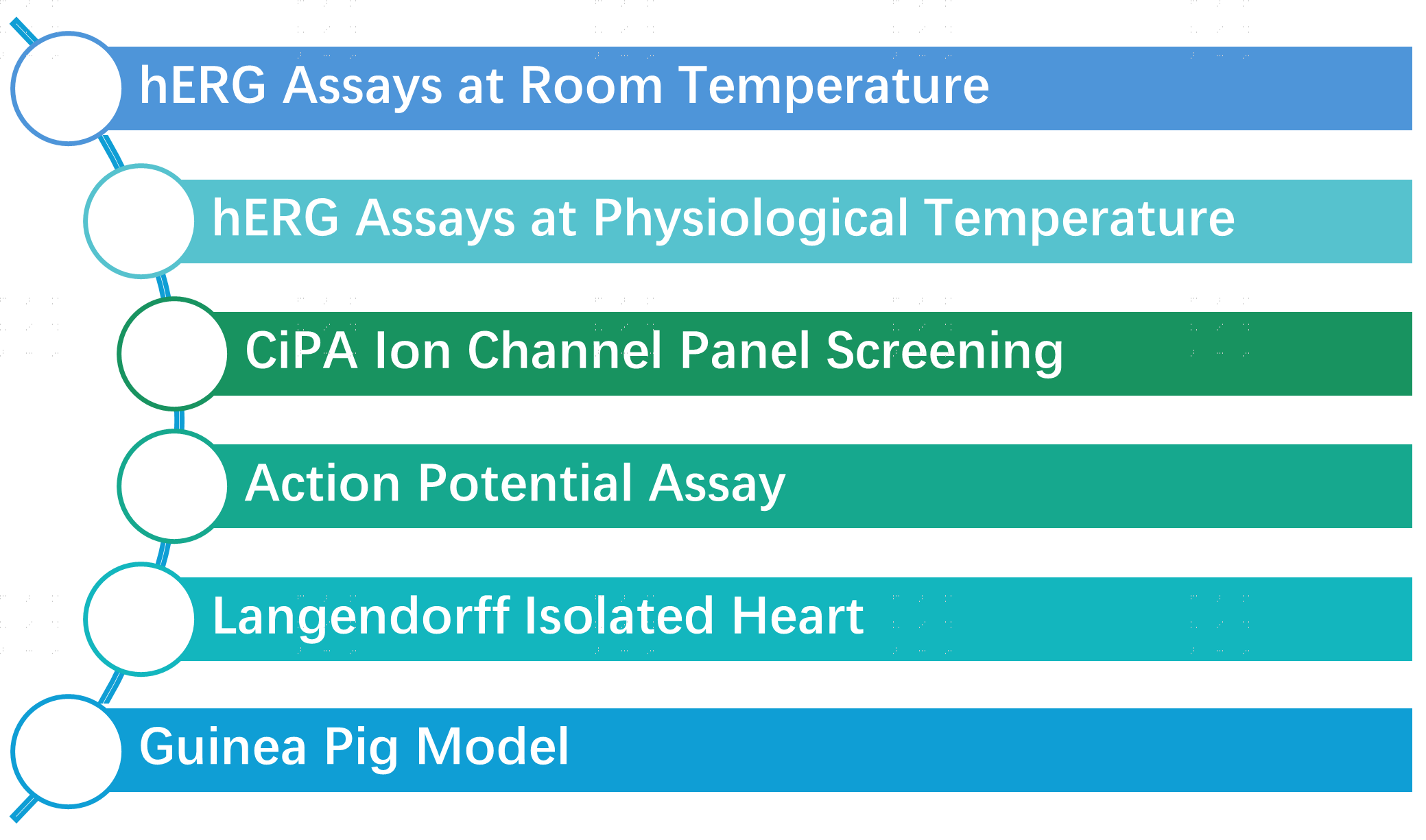
Evaluate potential cardiac liabilities early to guide compound prioritization and follow-up study planning.
Bring together complementary in vitro and in vivo findings within a connected safety assessment strategy.
Build a fit-for-purpose evaluation plan around each program’s mechanism, exposure, and development stage.
Learn more about our integrated cardiac safety assessment strategy and available study approaches.
Download brochure ↗We value your inquiries and are here to provide you with tailored solutions for your drug discovery and development needs. Whether you have questions, require more information, or are interested in discussing potential collaborations, our team of experts is just a message away.
Feel free to reach out to us.

Address: Bldg 16, Yd 18, Kechuang 13th St, Etown, Tongzhou Dist, Beijing, 100176, China
Email: marketing@ice-biosci.com
Tel:+86-10-67809840


Get a quote

Go top