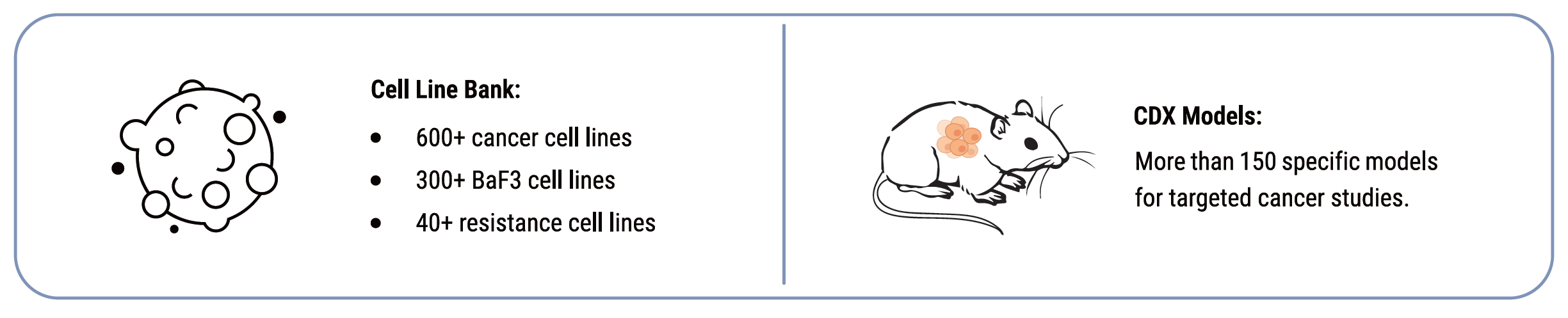
At ICE Bioscience, our in vivo pharmacology services support oncology research from early compound screening through detailed assessment of efficacy and safety. Our CDX models and supporting study capabilities help researchers navigate tumor biology, resistance and translational decision-making during cancer drug discovery.
Our model portfolio includes reporter cell lines for live imaging, drug-resistant variants and gene-edited cell lines, enabling tailored studies of antitumor activity, tumor growth and treatment response.
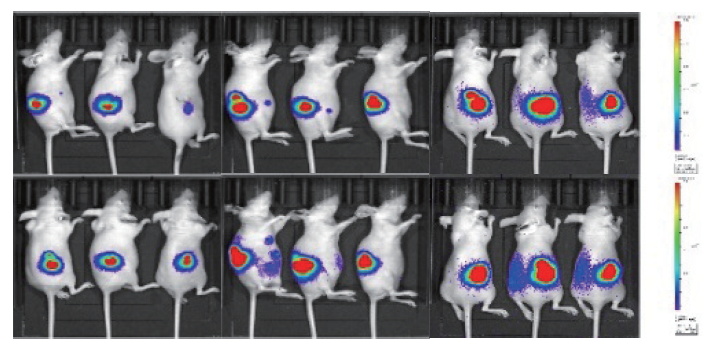
Our living-image cell lines are engineered for bioluminescence, enabling real-time tracking of tumor behavior and response to therapies in vivo. These models support dynamic studies and accelerated drug-screening programs by providing longitudinal visualization of tumor burden and treatment response.
Our drug-resistant cell lines model the clinical challenge of tumor resistance. They can be used to assess the robustness of anticancer agents and to investigate mechanisms that may reduce treatment response, supporting development of therapies designed to address resistance biology.
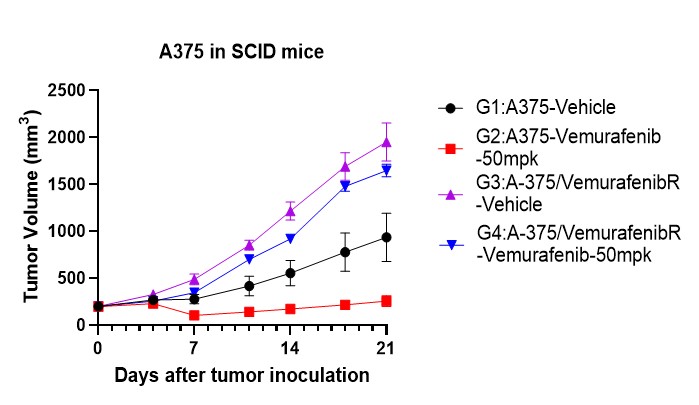
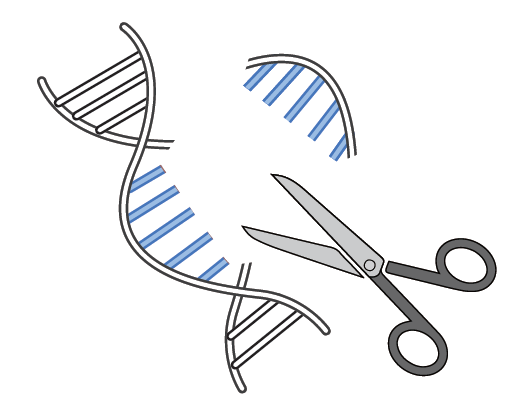
Our gene-edited cell lines are generated using CRISPR technology to study specific genetic targets and their functional consequences. These models support targeted-therapy research, gene-function studies and development of personalized oncology treatment strategies.
DDR-specific CDX models are designed to study the DNA damage response, a cellular process that repairs DNA lesions and maintains genomic stability. These models support research into therapeutic vulnerabilities associated with defective DNA-repair pathways.
Our DDR-focused portfolio includes DLD-1 BRCA2 knockout and HCT116 BRCA2 knockout models. Loss of BRCA2 function can increase sensitivity to selected chemotherapies and PARP inhibitors, making these models relevant to studies of DDR-deficient tumors.
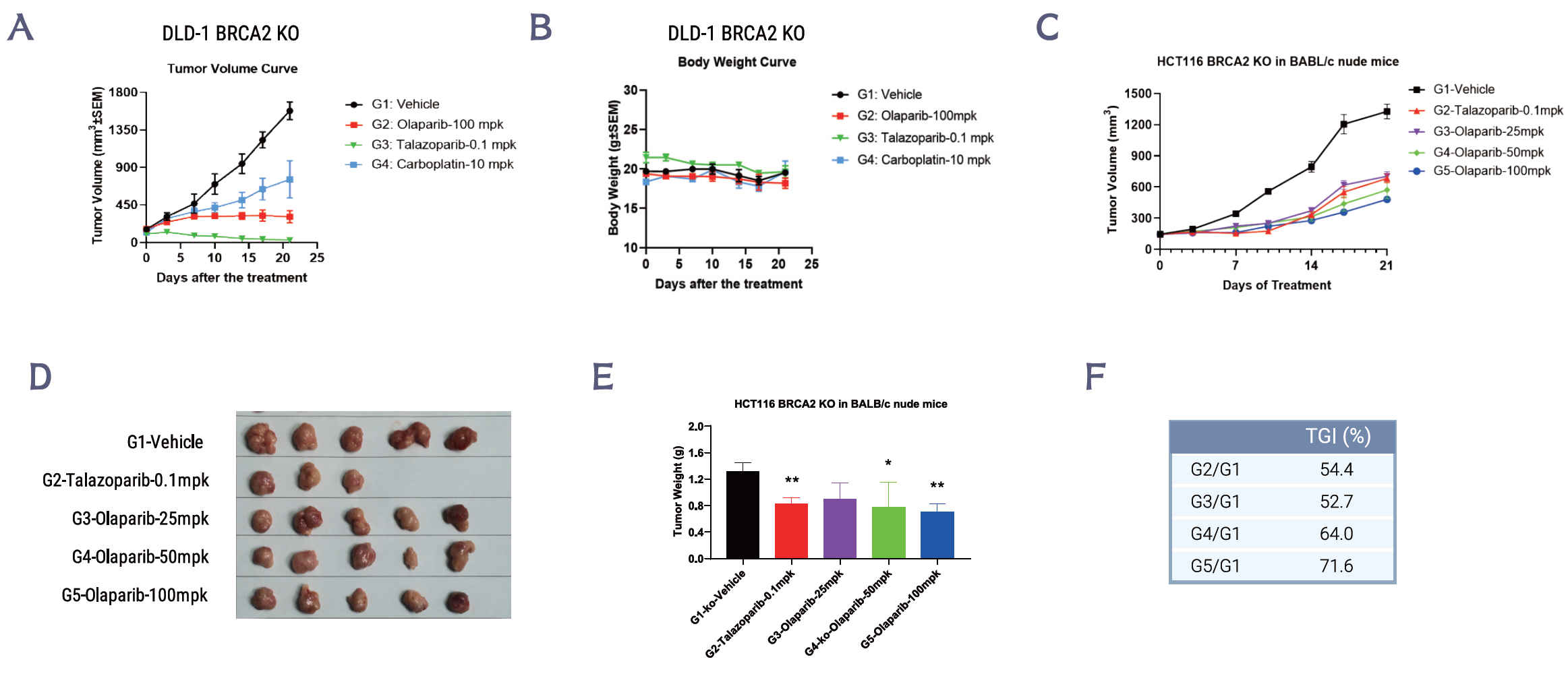
Comparative analysis of DDR-specific CDX models. Growth curves, post-harvest tumor images and tumor-volume analysis illustrate treatment responses in DLD-1 BRCA2 knockout and HCT116 BRCA2 knockout tumors. The associated TGI values compare each treatment group with the control group.
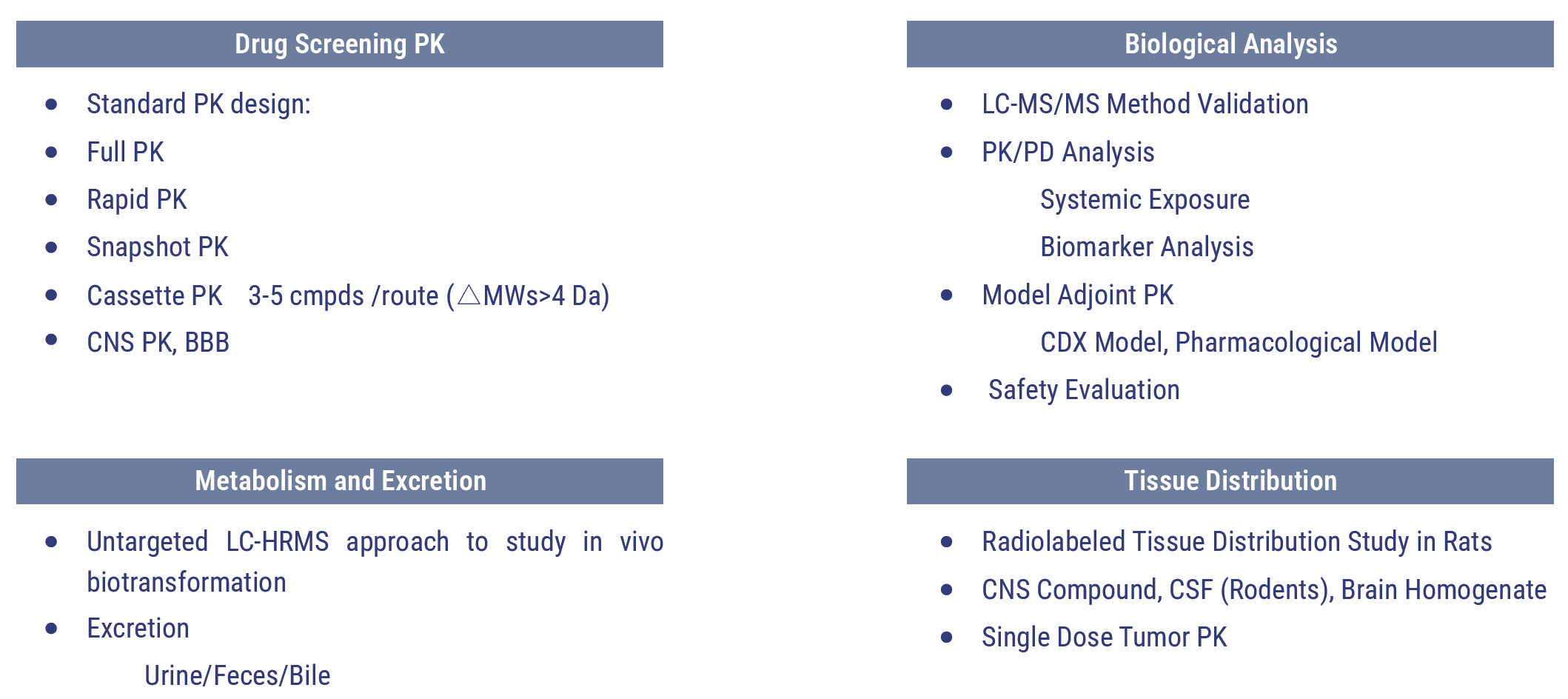
PK/PD studies in cell line-derived xenograft (CDX) models help characterize relationships between drug dose, exposure and antitumor effect in a biological setting relevant to oncology research. These studies can support dose-regimen optimization, evaluation of exposure–response relationships and assessment of potential liabilities before clinical development.
We value your inquiries and are here to provide you with tailored solutions for your drug discovery and development needs. Whether you have questions, require more information, or are interested in discussing potential collaborations, our team of experts is just a message away.
Feel free to reach out to us.

Address: Bldg 16, Yd 18, Kechuang 13th St, Etown, Tongzhou Dist, Beijing, 100176, China
Email: marketing@ice-biosci.com
Tel:+86-10-67809840


Get a quote

Go top