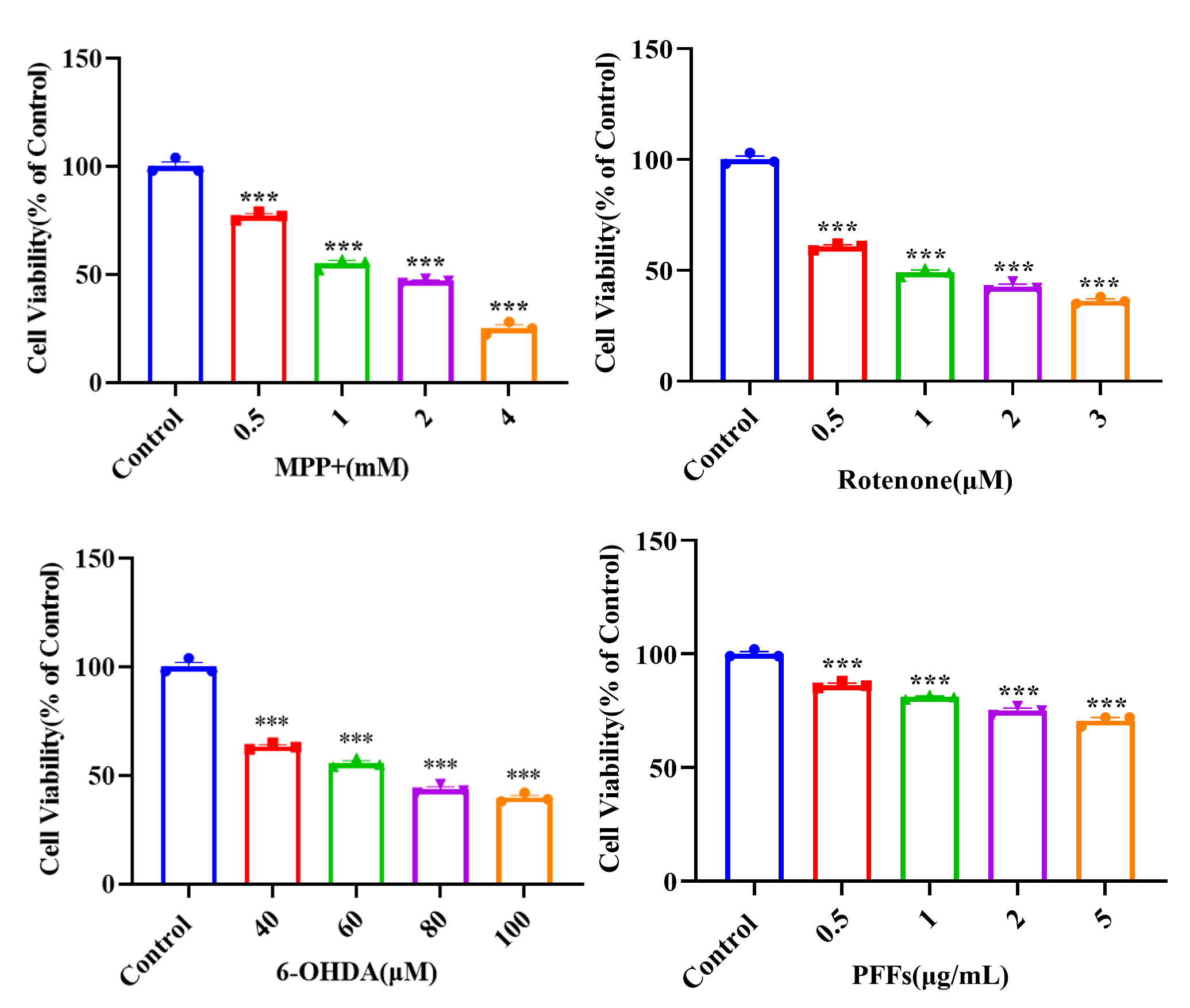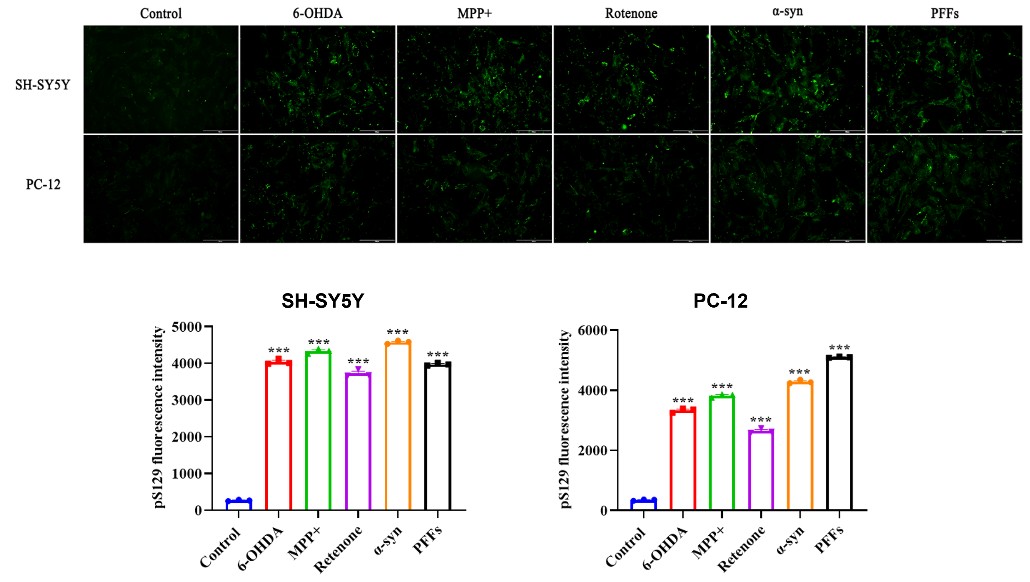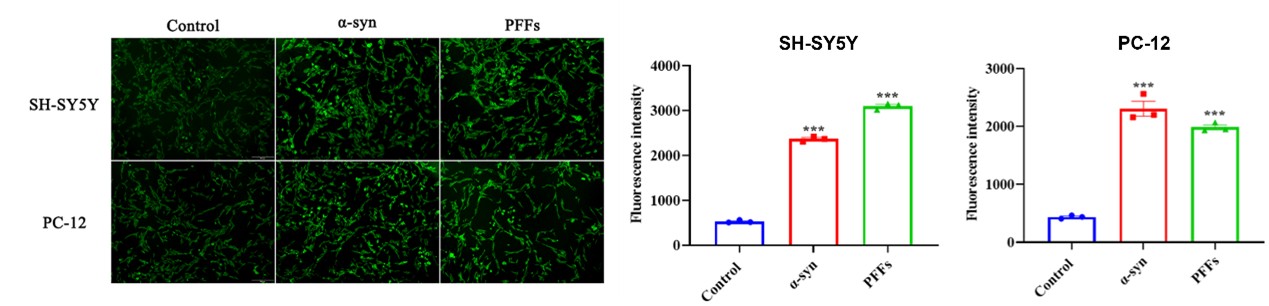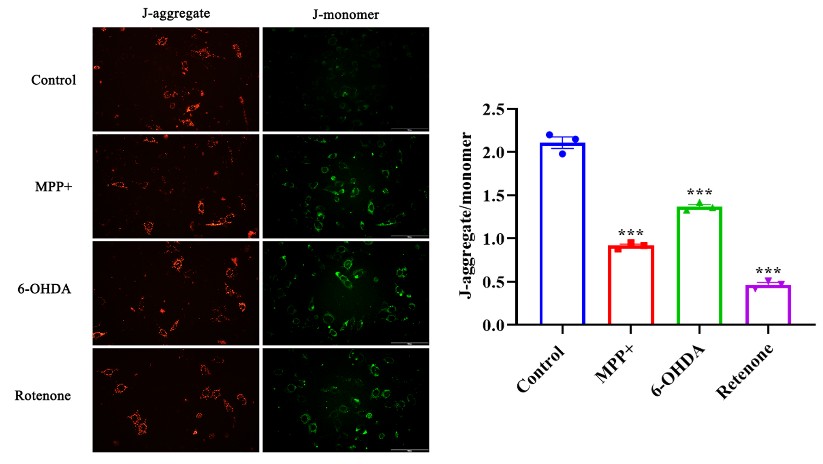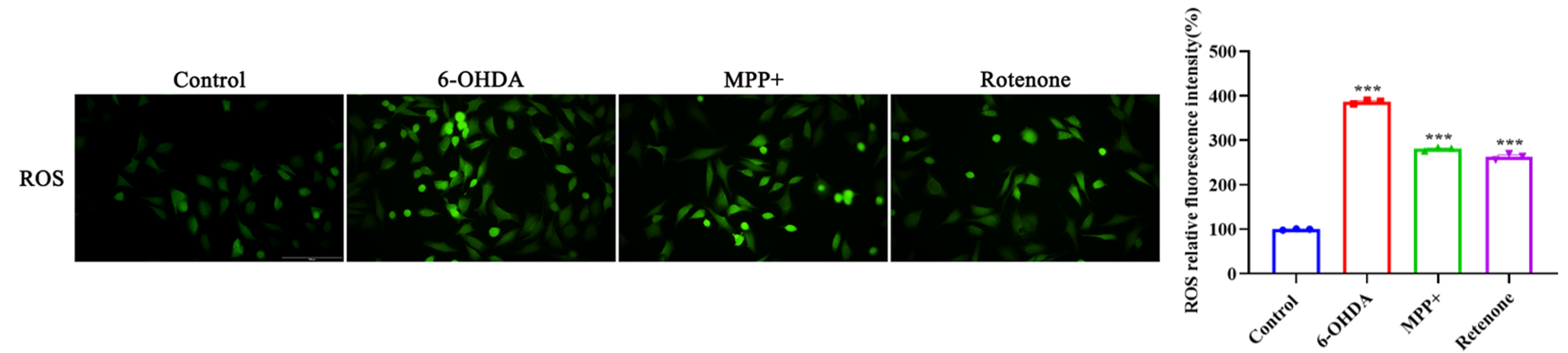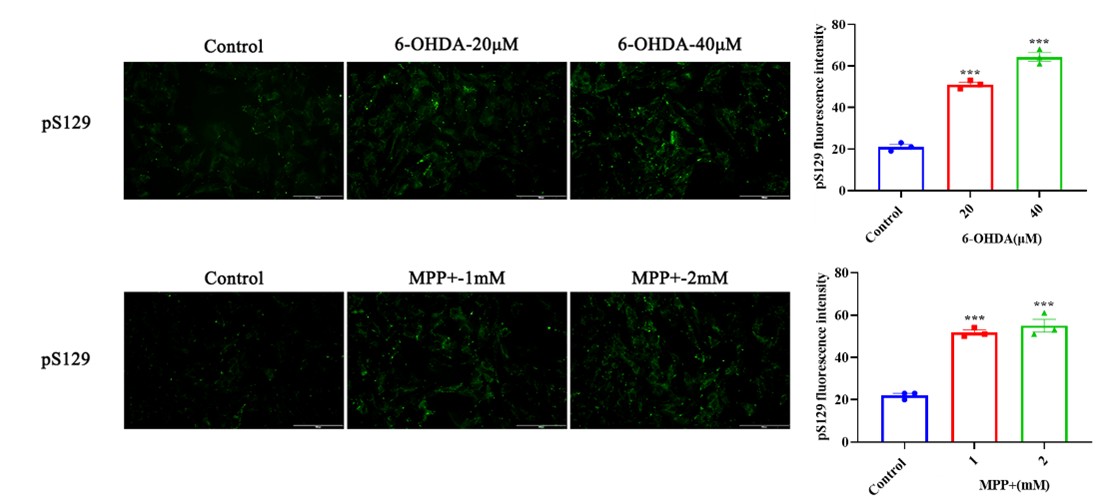

Parkinson's disease (PD) is the second most common neurodegenerative disorder, characterized by the progressive loss of dopaminergic neurons in the substantia nigra. Key pathological hallmarks include mitochondrial dysfunction, oxidative stress, and the accumulation of misfolded α-synuclein protein into Lewy bodies.
To accelerate therapeutic discovery and mechanistic understanding, in vitro cellular models have become indispensable tools in PD research. Our in vitro PD models recapitulate distinct disease-relevant pathways — ranging from oxidative stress and complex I inhibition to proteostasis impairment and α-synuclein aggregation — enabling compound screening, target validation, and mechanism-of-action (MoA) studies in a controlled, high-throughput environment prior to in vivo translation.
To comprehensively characterize these disease-relevant phenotypes, we offer a suite of integrated assay services, including CCK-8 cell viability assay, cellular ROS detection, Thioflavin T (ThT) assay, mitochondrial membrane potential assay (JC-1), and immunofluorescence — delivering robust, multi-dimensional readouts across cytotoxicity, oxidative stress, mitochondrial function, and pathological protein aggregation to empower data-driven decisions for your PD therapeutic pipeline.
Select a model below to review its biological rationale, experimental design, efficacy readouts, and representative data.
We value your inquiries and are here to provide you with tailored solutions for your drug discovery and development needs. Whether you have questions, require more information, or are interested in discussing potential collaborations, our team of experts is just a message away.
Feel free to reach out to us.

Address: Bldg 16, Yd 18, Kechuang 13th St, Etown, Tongzhou Dist, Beijing, 100176, China
Email: marketing@ice-biosci.com
Tel:+86-10-67809840


Get a quote

Go top