
Schizophrenia is a severe, chronic neuropsychiatric disorder characterized by three distinct yet interconnected symptom clusters: positive symptoms (e.g., psychosis, locomotor hyperactivity), negative symptoms (e.g., social withdrawal, anhedonia, avolition), and cognitive impairments (e.g., working memory deficits, executive dysfunction, sensorimotor gating abnormalities). Its etiology involves multilevel neurobiological dysregulation, with four widely recognized mechanistic pillars.
✅ Dopaminergic dysregulation: Excessive dopamine release in the mesolimbic pathway drives positive symptoms, while reduced dopaminergic tone in the prefrontal cortex contributes to negative and cognitive manifestations.
✅ Glutamate hypothesis: Impaired NMDA receptor signaling preferentially disrupts PV⁺ GABAergic interneurons, causing cortical excitation-inhibition (E/I) imbalance and cortical disinhibition, which secondarily induces cortical-subcortical dopaminergic dysfunction and bridges glutamatergic and dopaminergic disease mechanisms.
✅ GABAergic circuit failure: Dysfunction of PV⁺ fast-spiking interneurons disrupts gamma oscillations and precise temporal control of cortical networks, mediating deficits in sensory processing, working memory, and executive function.
✅ Oxidative stress and neuroinflammation: Diminished antioxidant defense, redox imbalance, and glial activation form a self-amplifying pathological cycle, causing neuronal and myelin damage that exacerbates circuit dysfunction and disease progression.
Given the constraints of clinical research in human populations, validated preclinical in vivo models are an indispensable foundation for antipsycһotic drug development. They faithfully recapitulate core pathological features and behavioral phenotypes of schizophrenia, enabling systematic, quantitative evaluation of candidate compound efficacy across symptom domains.
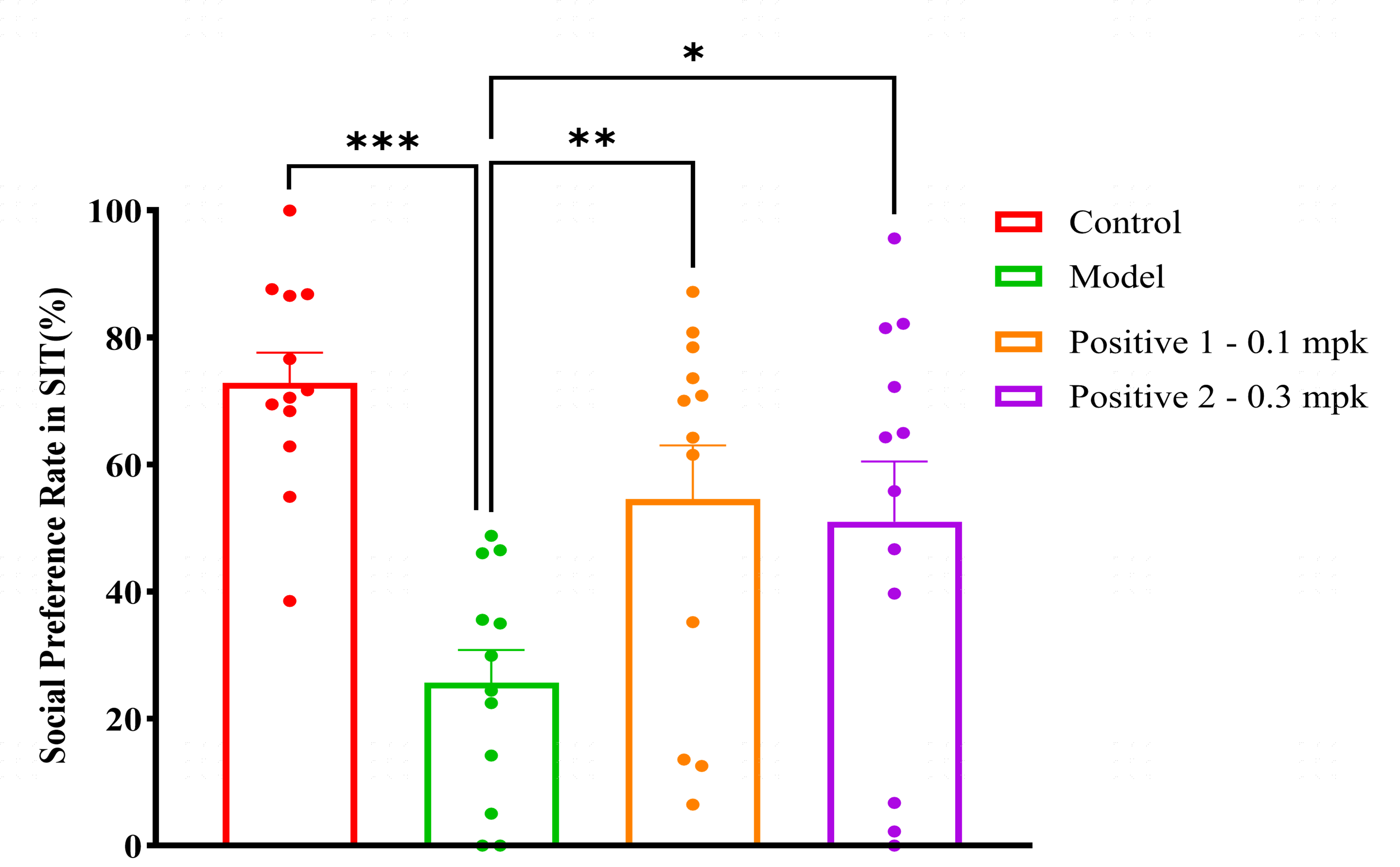
We have built a comprehensive in vivo schizophrenia research platform comprising acute and subchronic disease models, which recapitulate the full spectrum of positive, negative, and cognitive symptoms. Our evaluation system integrates a panel of behavioral tests — including Open Field Test (OFT), Prepulse Inhibition (PPI), Social Interaction Test (SIT) and Y-Maze test — to deliver robust, reproducible efficacy data. This platform supports rapid early-stage in vivo efficacy evaluation and candidate prioritization, as well as confirmatory efficacy assessment for antipsycһotic drug discovery programs.
Select a model below to review its biological rationale, experimental design, efficacy readouts, and representative data.
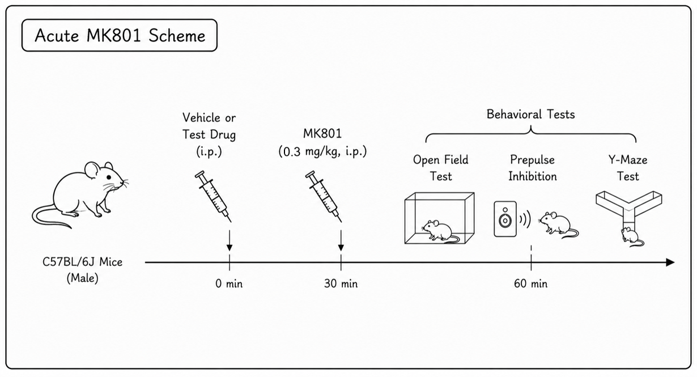
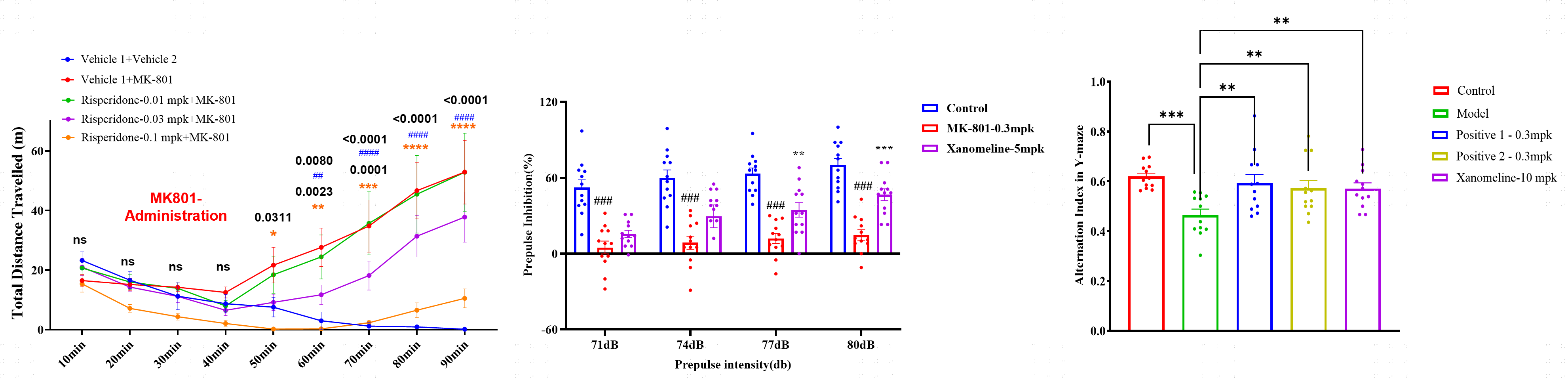
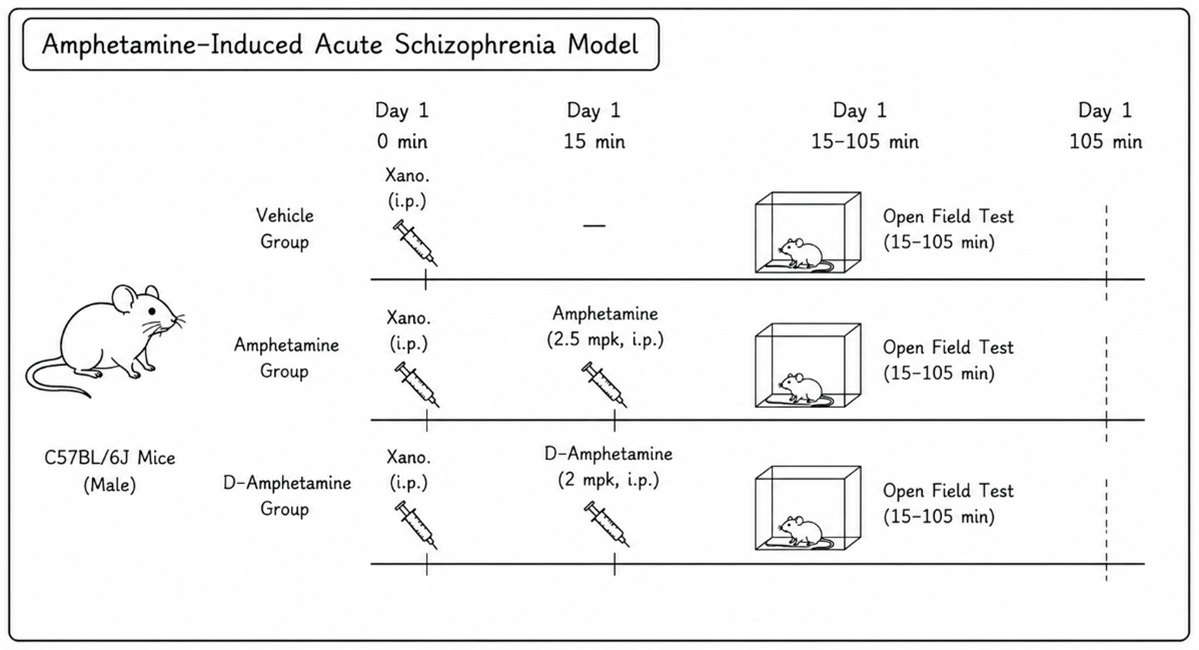
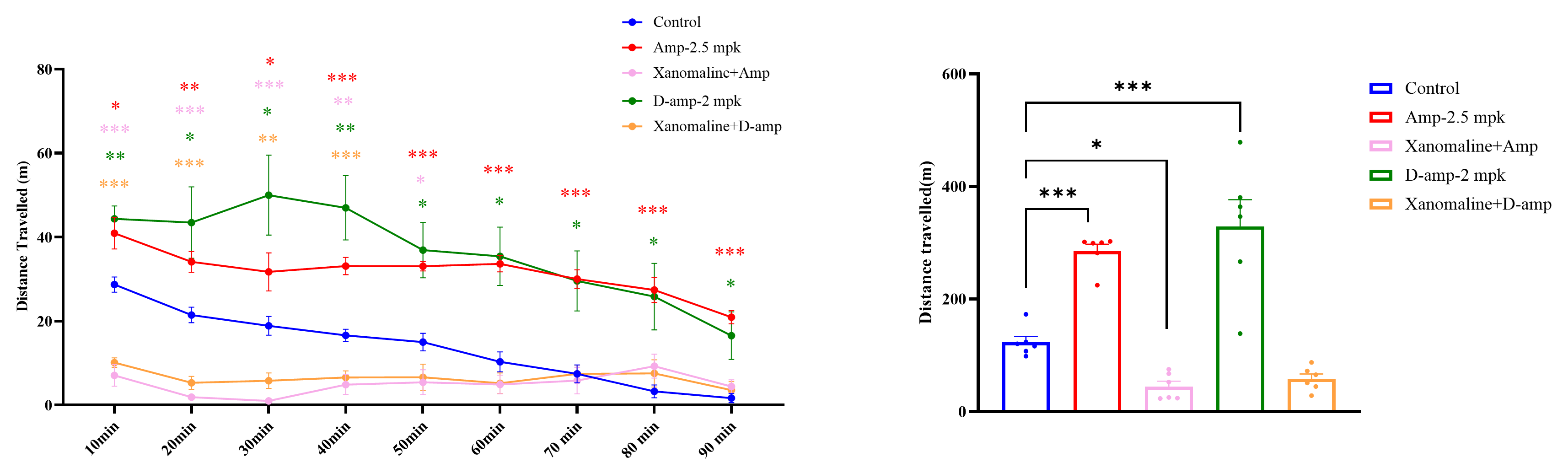
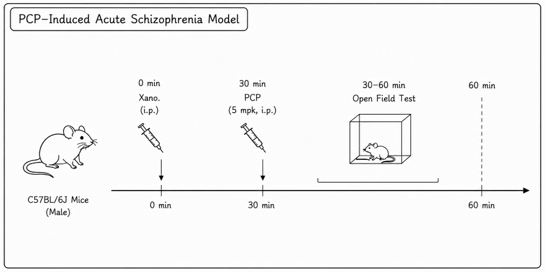
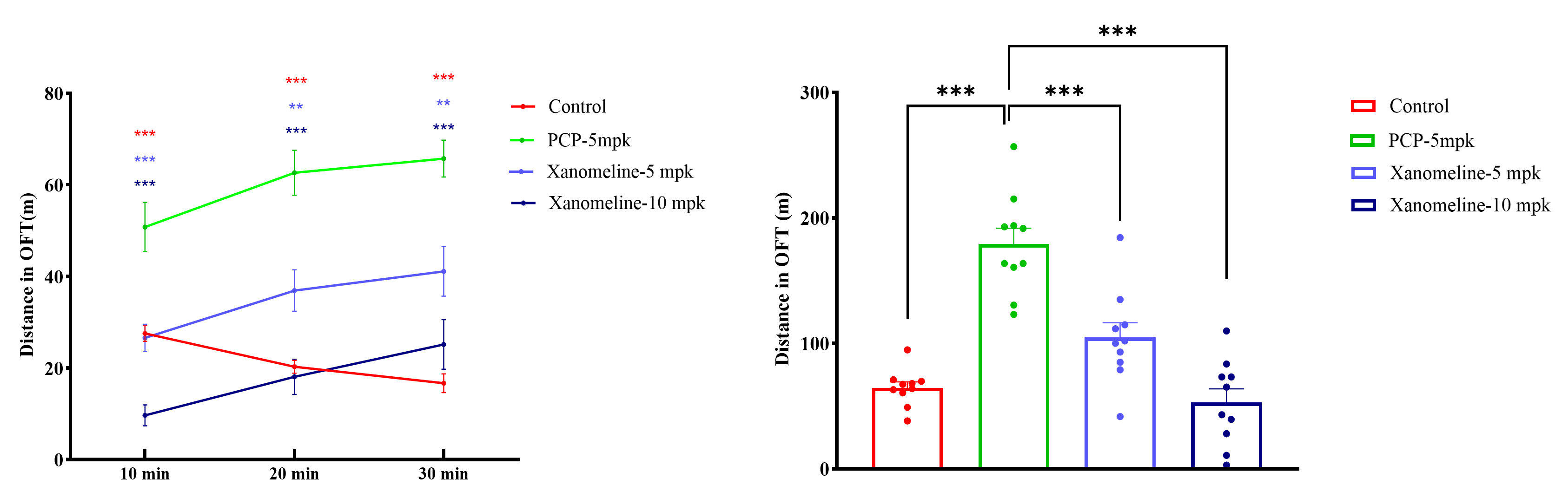
Acute schizophrenia models are induced by single-dose administration of psychotomimetic agents and are designed for rapid early-stage in vivo efficacy evaluation of candidate compounds. These models effectively recapitulate schizophrenia-like psychomotor hyperactivity, sensorimotor gating deficits, and cognitive impairments, enabling early-stage evaluation of antipsychotic activity signals.
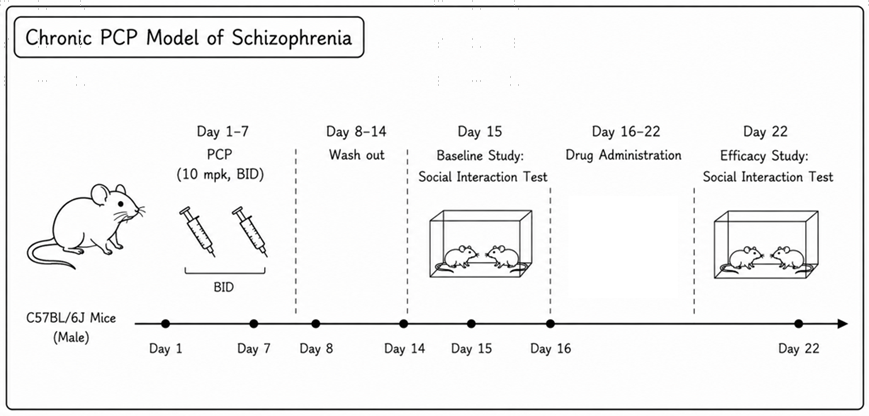
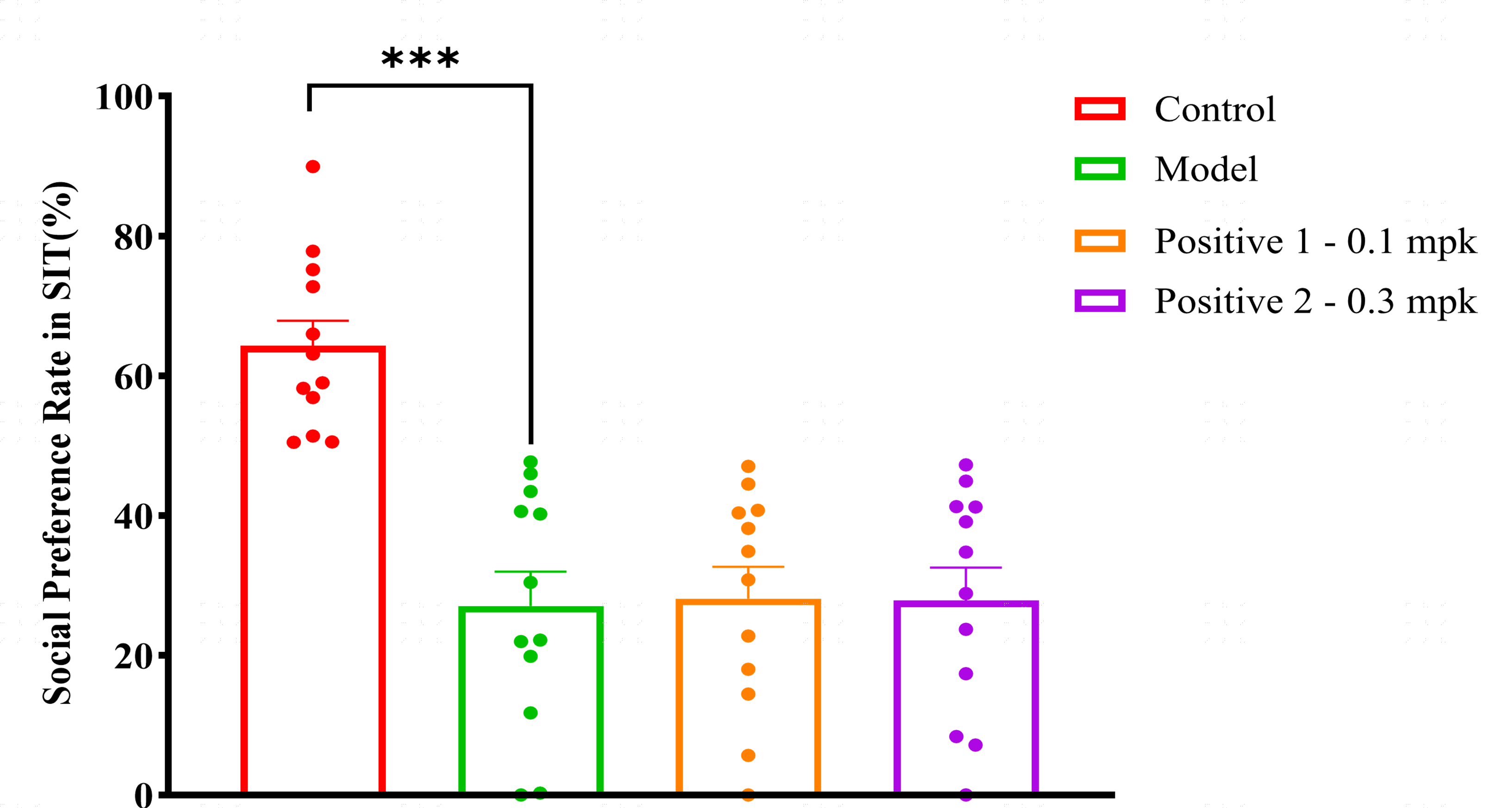
Chronic schizophrenia models employ repeated administration of psychotomimetic agents followed by a washout period to induce stable, long-lasting behavioral phenotypes. These models are particularly valuable for confirmatory efficacy evaluation of negative symptoms and cognitive impairments—domains that remain poorly addressed by current antipsychotic therapies.
We value your inquiries and are here to provide you with tailored solutions for your drug discovery and development needs. Whether you have questions, require more information, or are interested in discussing potential collaborations, our team of experts is just a message away.
Feel free to reach out to us.

Address: Bldg 16, Yd 18, Kechuang 13th St, Etown, Tongzhou Dist, Beijing, 100176, China
Email: marketing@ice-biosci.com
Tel:+86-10-67809840


Get a quote

Go top