
Alzheimer's disease (AD) is the most prevalent neurodegenerative disorder worldwide, imposing a rapidly growing public health burden amid global population aging. Driven by complex pathophysiology—including amyloid-β (Aβ) plaque deposition, tau hyperphosphorylation, synaptic degeneration, neuroinflammation, and progressive cognitive decline—AD drug development has long faced high clinical failure rates. Validated in vivo models that faithfully recapitulate core human disease hallmarks are the cornerstone of improving preclinical predictive value and de-risking clinical translation.
Leveraging deep expertise in neuroscience disease modeling, we have established a comprehensive portfolio of in vivo AD models, encompassing both chemically induced and transgenic approaches. Our models stably reproduce key AD phenotypes from early molecular pathology to late-stage functional decline. We deliver comprehensive cognitive behavioral assessments including Open Field Test (OFT), Novel Object Recognition (NOR), Novel Object Location (NOL), Morris Water Maze (MWM), and Y-Maze test. Complementing these, our ex vivo brain slice electrophysiology platform assesses synaptic function and plasticity to capture circuit-level deficits underlying cognitive impairment. Combined with immunofluorescence (IF), Golgi staining, and transmission electron microscopy (TEM) techniques, these models support multi-layered efficacy evaluation and mechanistic dissection spanning molecular pathology, neuronal architecture, and ultrastructural readouts.
| Model Type | Type | Primary Pathological Mechanism | Cognitive Deficits | Key Advantages | Key Limitations | Optimal Use Case |
|---|---|---|---|---|---|---|
| STZ-Induced Model | Chemically induced (non-transgenic) | Brain insulin resistance; metabolic dysfunction | Yes (3–6 weeks) | Models sporadic AD metabolic aspects; non-transgenic; relatively inexpensive | Mechanism unclear; limited Aβ pathology; no NFTs | Metabolic hypothesis studies; insulin-sensitizing drugs; diabetes-AD link |
| Aβ1-42 Injection Model | Chemically induced (non-transgenic) | Exogenous Aβ neurotoxicity; neuroinflammation | Yes (1–4 weeks) | Rapid onset; no genetic manipulation; controllable Aβ dose | Acute/subacute; localized pathology; artificial Aβ source | Rapid anti-amyloid drug screening; Aβ toxicity mechanisms |
| Scopolamine-Induced Model | Chemically induced (non-transgenic) | Cholinergic antagonism; oxidative stress | Yes (rapid, reversible) | Very rapid onset; reversible; inexpensive for screening | No AD pathology; purely cholinergic; reversible | Cholinergic drug screening; acute cognition studies |
| APP/PS1 Transgenic Model | Transgenic | APP overexpression; increased Aβ1-42 production | Yes (6–12 months) | Well-characterized; robust amyloid pathology; widely available | No NFTs; APP overexpression artifacts; no neuronal loss | Anti-amyloid therapy development; plaque biology; microglial responses |
| 5×FAD Transgenic Model | Transgenic | Massive APP overexpression; aggressive Aβ1-42 production | Yes (4–5 months) | Very rapid pathology; early cognitive deficits; neuronal loss | Overly aggressive; APP overexpression artifacts; no NFTs | Rapid drug screening; early-stage interventions; neuronal loss studies |
| 3×Tg-AD Transgenic Model | Transgenic | APP + tau overexpression; Aβ-driven tau pathology | Yes (4–6 months) | Both Aβ and tau pathologies; progressive disease sequence | TauP301L is FTD mutation; multiple transgenes; sex differences | Combination therapy testing; Aβ-tau interaction studies; disease progression |
Select a model below to review its biological rationale, experimental design, efficacy readouts, and representative data.
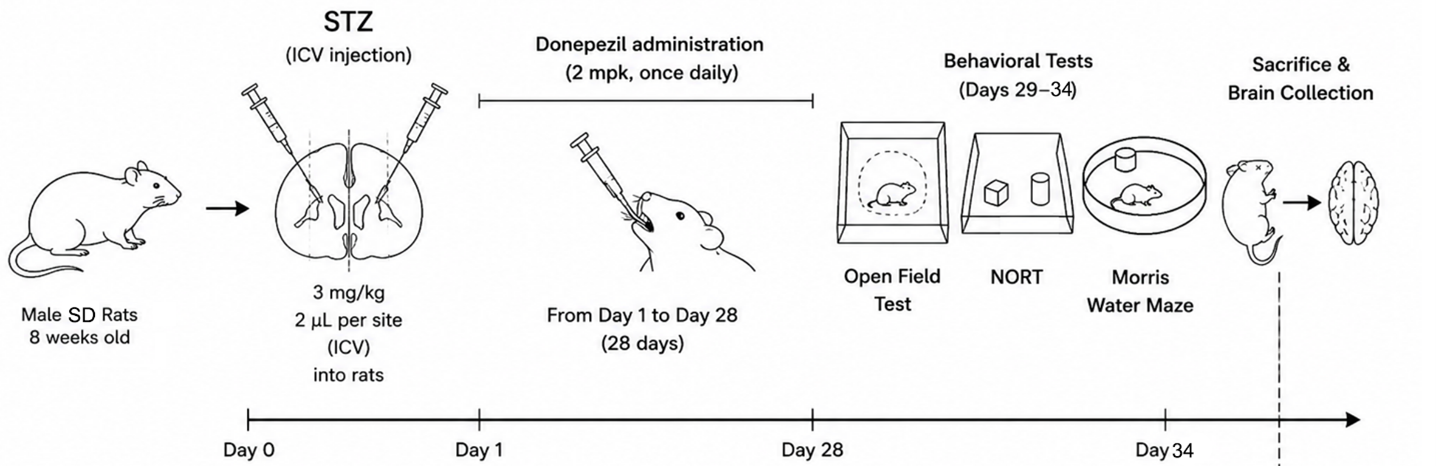
This model is induced by intracerebroventricular (ICV) administration of streptozotocin (STZ). ICV delivery of STZ impairs cerebral insulin signaling, triggering downstream mitochondrial dysfunction, oxidative stress, neuroinflammation, and progressive neuronal loss. These pathological changes collectively drive synaptic dysfunction, tau hyperphosphorylation, and AD-like cognitive impairment. Following model establishment, Donepezil is administered once daily by oral gavage for 28 consecutive days, followed by comprehensive behavioral testing (OFT, NOR, MWM) and brain histopathological analysis.

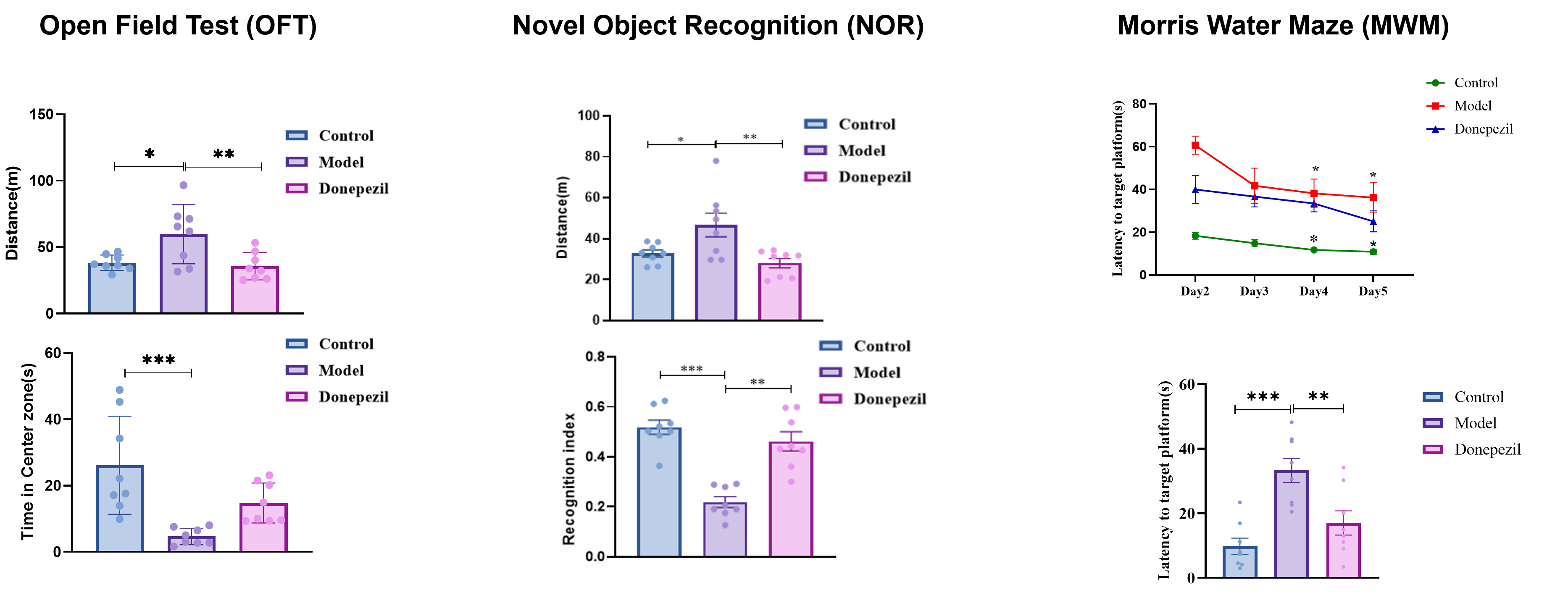
The STZ-induced Alzheimer's disease rat model successfully recapitulated key behavioral deficits, including hyperactivity, anxiety-like behavior, impaired recognition memory, and spatial learning deficits. These abnormalities were effectively ameliorated by donepezil.

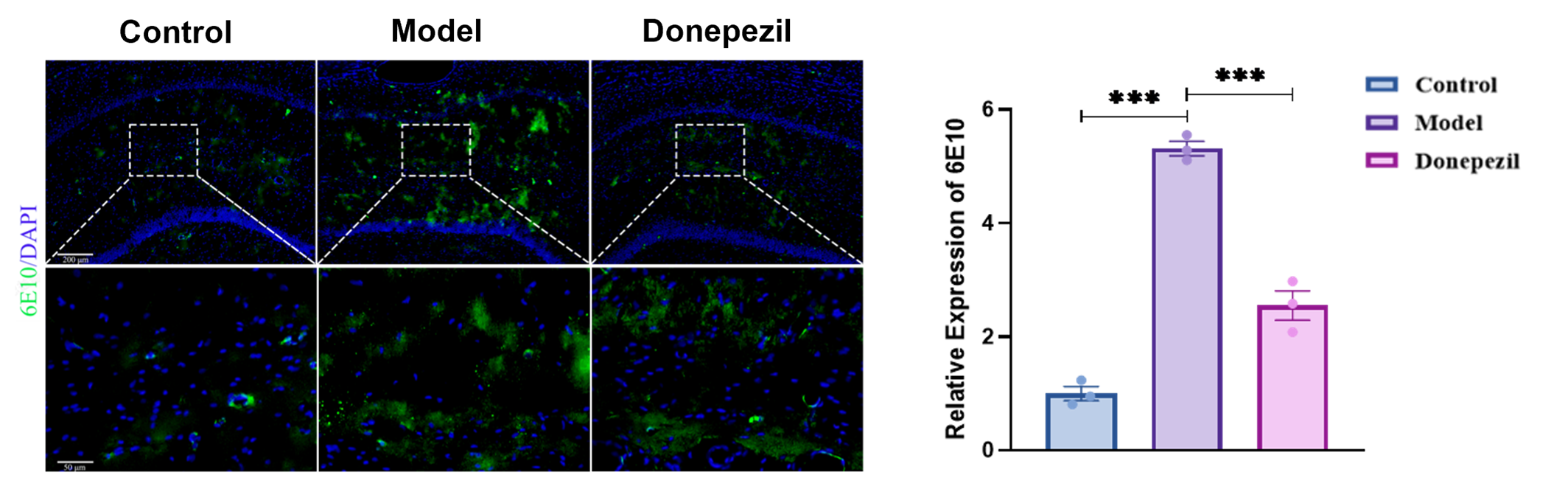
6E10 (Aβ deposition): STZ treatment markedly increased 6E10 immunoreactivity, which was significantly reduced by donepezil, indicating attenuation of amyloid pathology.

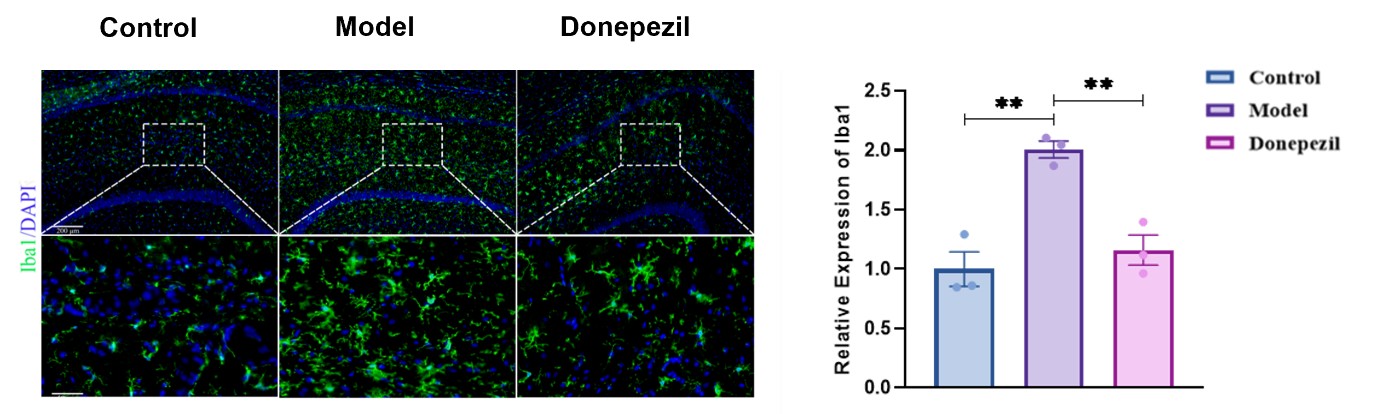
Iba1 (Microglial activation): STZ treatment significantly increased Iba1-positive microglia, while donepezil effectively suppressed microglial activation.

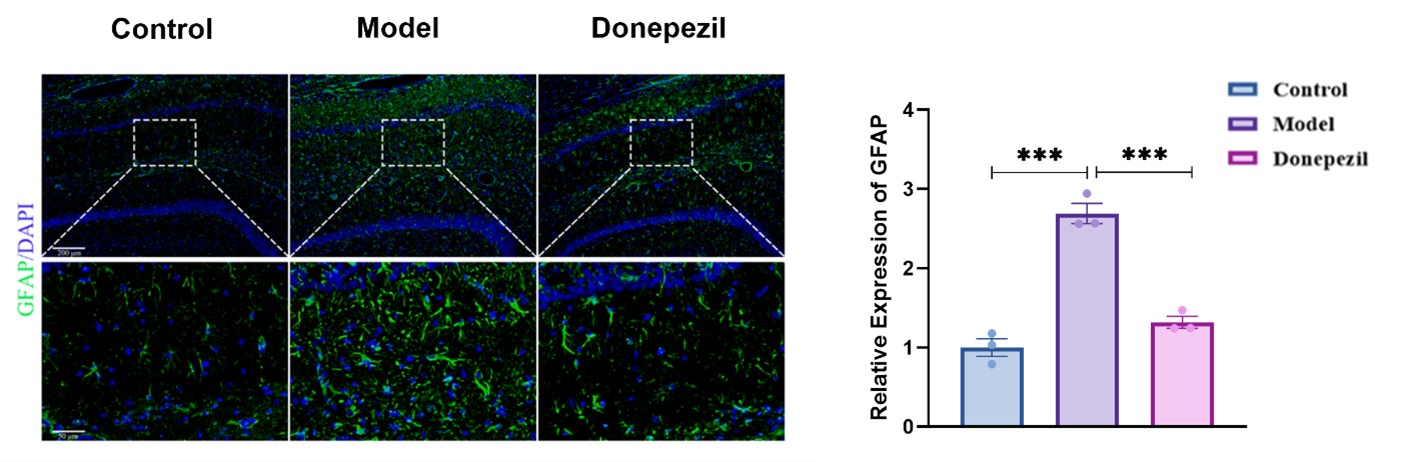
GFAP (Astrocyte activation): GFAP expression was markedly elevated in the STZ model and was significantly reduced following donepezil treatment, indicating attenuation of astrocyte activation.

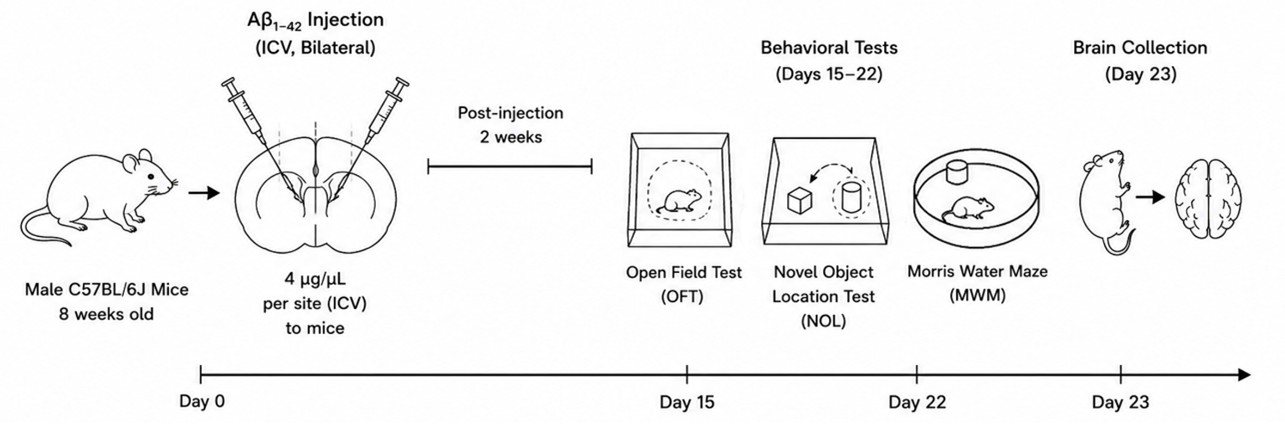
The Aβ1-42-induced model is an acute Alzheimer's disease model established by bilateral intracerebroventricular administration of Aβ1-42, leading to rapid induction of Aβ-associated neuronal dysfunction and cognitive deficits. After a 2-week post-injection period, behavioral tests (OFT, NOL, MWM) are conducted, followed by brain collection for pathological analysis.

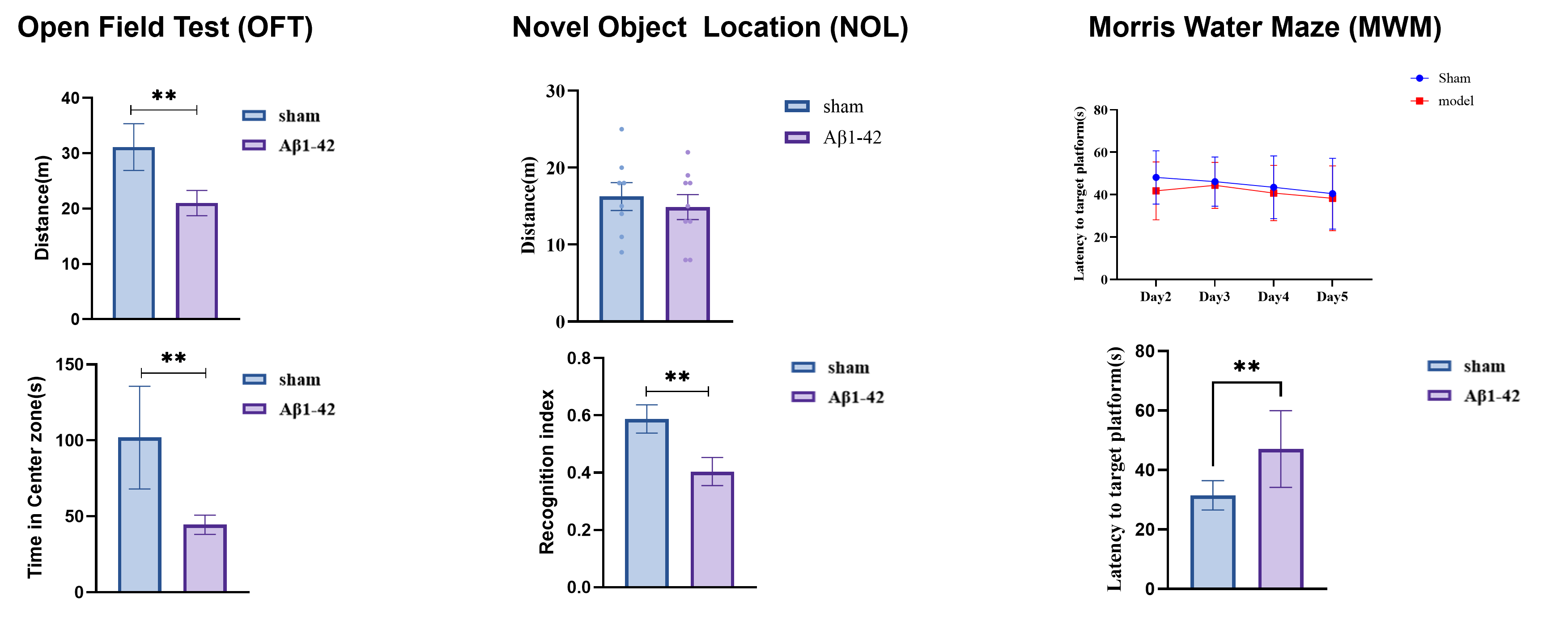
Aβ1-42 ICV injection produced a broad behavioral phenotype characterized by reduced spontaneous locomotor activity, increased anxiety-like behavior, impaired spatial recognition, and deficits in spatial learning and memory, confirming successful behavioral establishment of the model.

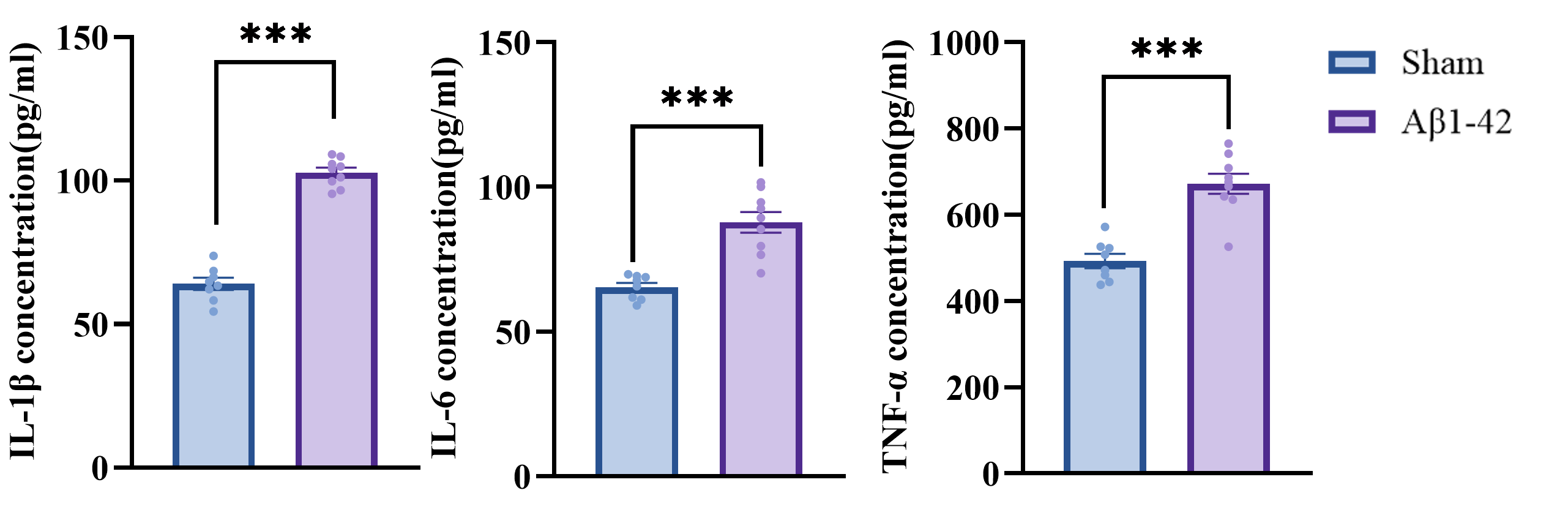
Systemic Inflammatory Response: Serum IL-1β, IL-6, and TNF-α levels were markedly elevated, evaluating the systemic inflammatory response associated with Aβ1-42-induced pathology.

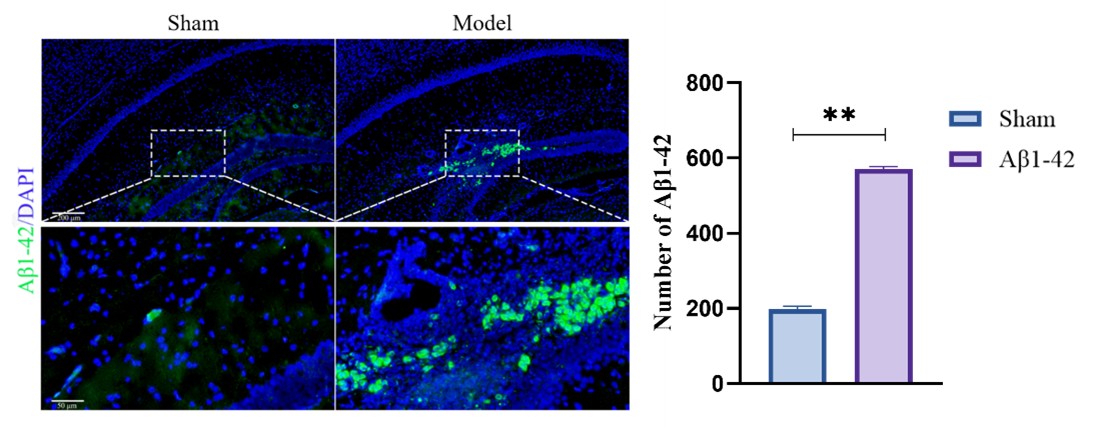
Amyloid Pathology: Aβ1-42 ICV injection markedly increased brain Aβ1-42 immunofluorescence compared with WT controls, confirming enhanced amyloid pathology in the model.

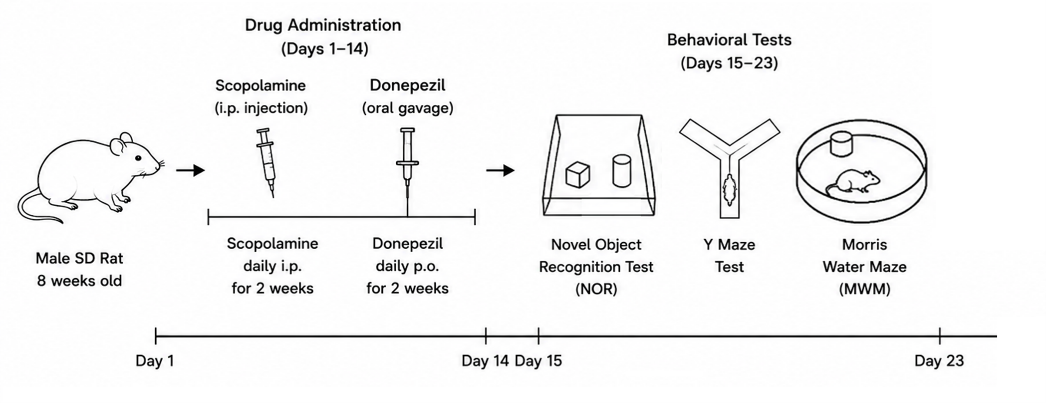
The scopolamine model is primarily a cholinergic cognitive-impairment model, rather than a full pathological AD model, as it does not replicate Aβ plaques, neurofibrillary tangles, or progressive neurodegeneration. It is established by daily co-administration of scopolamine (i.p.) and donepezil (oral gavage) for 2 weeks. Behavioral tests (NOR, Y-Maze, MWM) are conducted following the 2-week drug administration period.

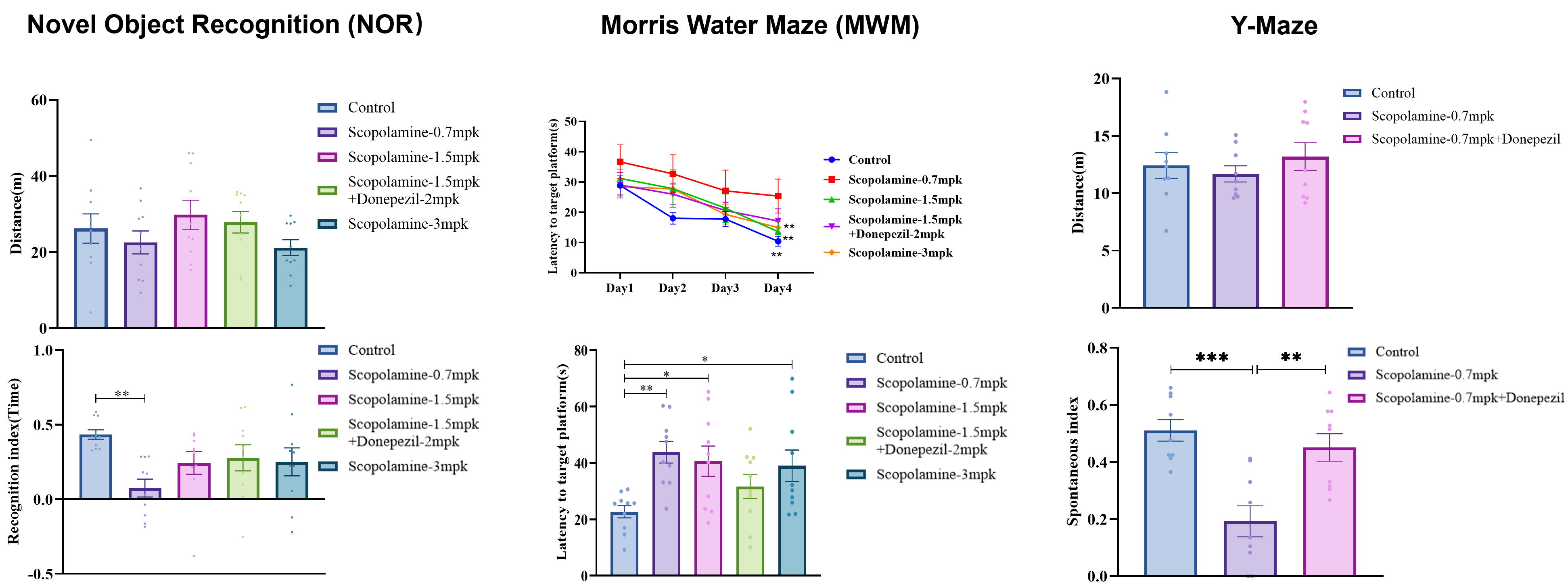
The scopolamine-induced cognitive impairment model successfully recapitulated key behavioral deficits, including impaired recognition memory, spatial learning dysfunction, and diminished short-term spatial working memory. These abnormalities were effectively ameliorated by donepezil, validating a robust and pharmacologically responsive system for preclinical screening of cognition-enhancing therapeutics.

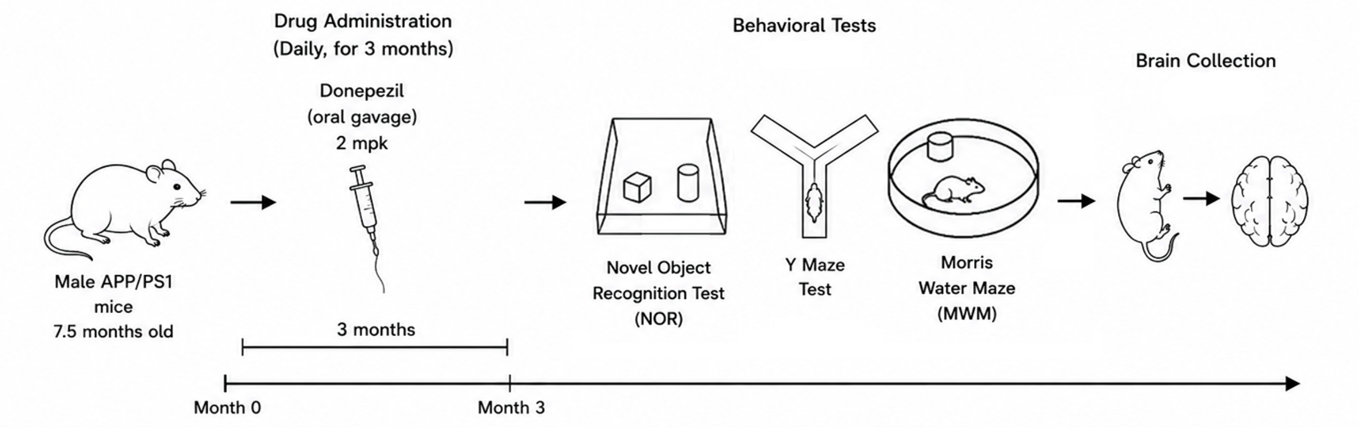
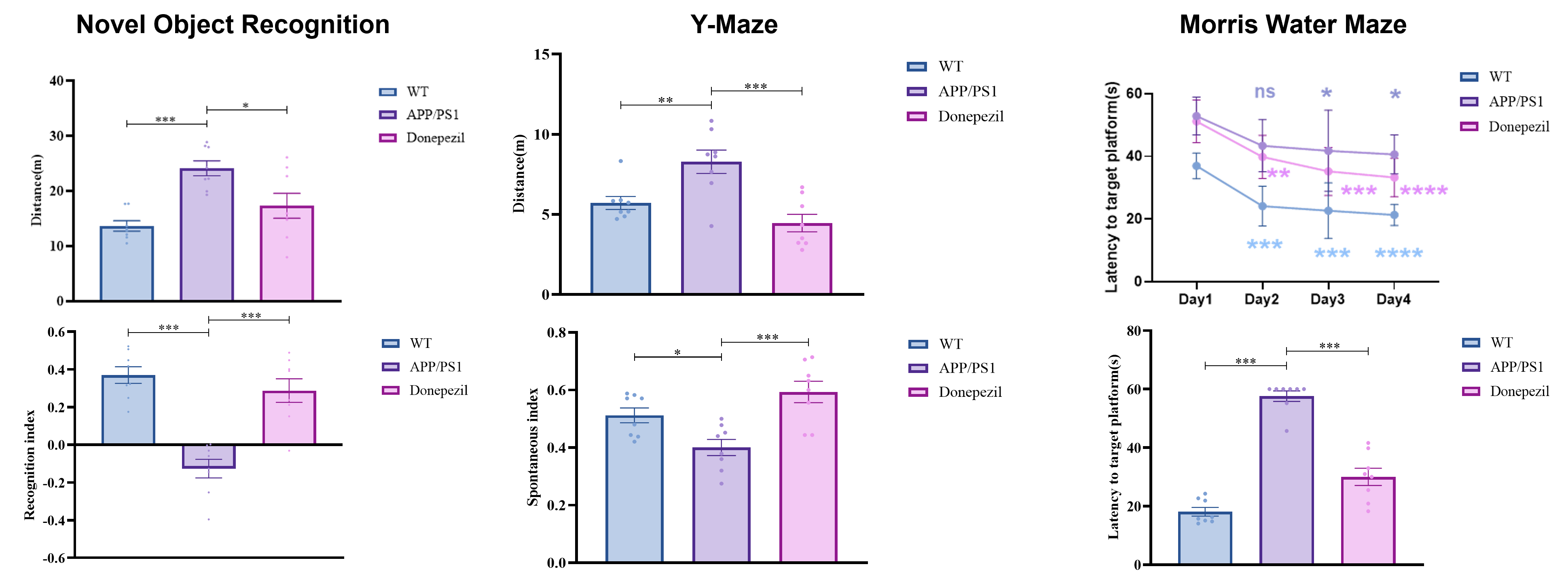
The APP/PS1 transgenic mouse is a widely used genetic model of familial Alzheimer's disease that co-expresses mutant human amyloid precursor protein (APP) and presenilin-1 (PS1), resulting in progressive Aβ accumulation and amyloid plaque formation. The APP/PS1 double-transgenic mice receive donepezil once daily by oral gavage for 3 consecutive months, followed by comprehensive behavioral testing (NOR, Y-Maze, MWM) and brain histopathological analysis.

APP/PS1 mice exhibited a broad behavioral phenotype characterized by increased locomotor activity and deficits in recognition, spatial working, and spatial memory. Chronic donepezil treatment consistently ameliorated these behavioral abnormalities, demonstrating the pharmacological responsiveness of the APP/PS1 model.

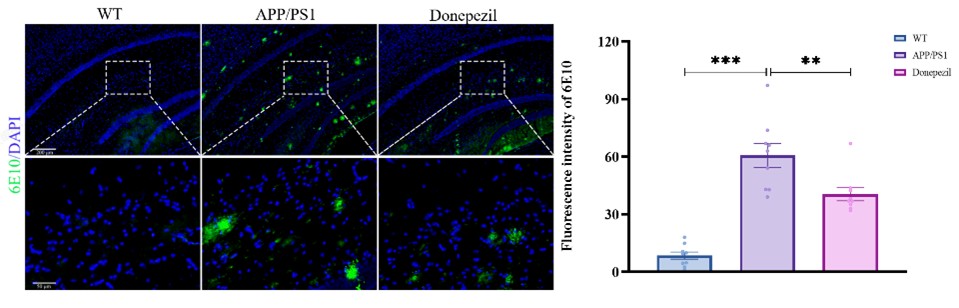
6E10 (Amyloid pathology): APP/PS1 mice showed prominent amyloid plaque deposition, which was attenuated by chronic donepezil treatment.

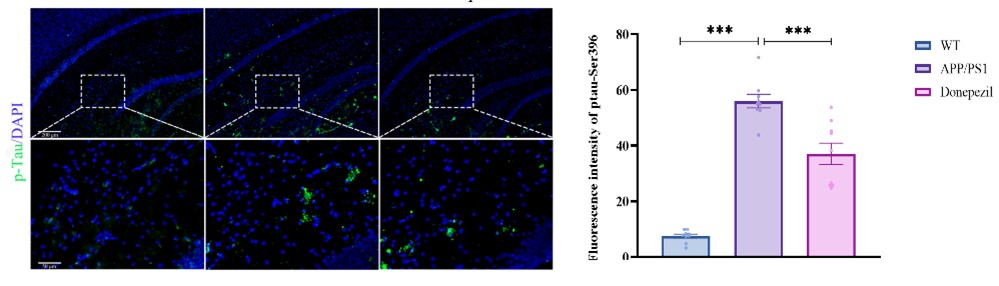
P-Tau (Tau pathology): APP/PS1 mice exhibited significant tau hyperphosphorylation, which was reduced following donepezil treatment.

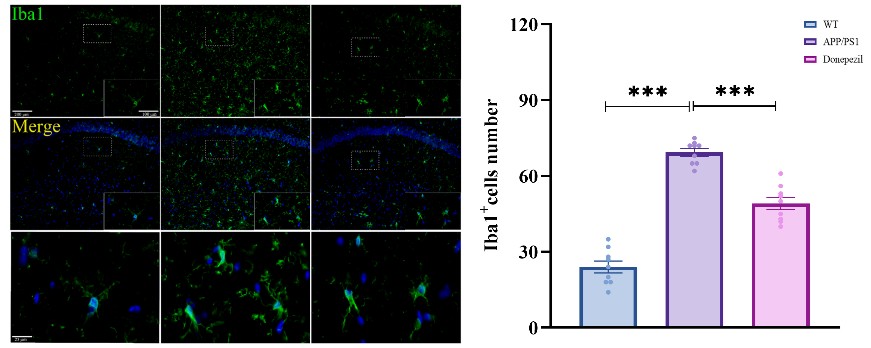
Iba1 (Microglial activation): APP/PS1 mice displayed marked microglial activation, which was effectively suppressed by donepezil.

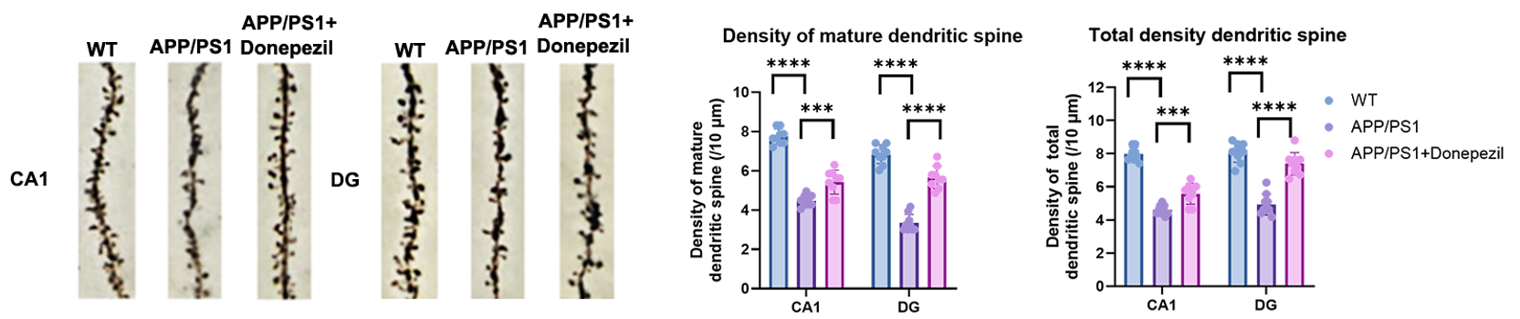
Golgi Staining: APP/PS1 mice showed reduced density and maturation of dendritic spines in the CA1 and DG regions, which was restored by donepezil.

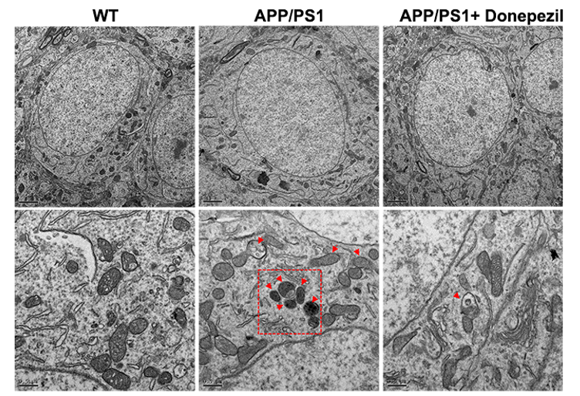
TEM: APP/PS1 mice exhibited mitochondrial ultrastructural damage, which was ameliorated by donepezil.

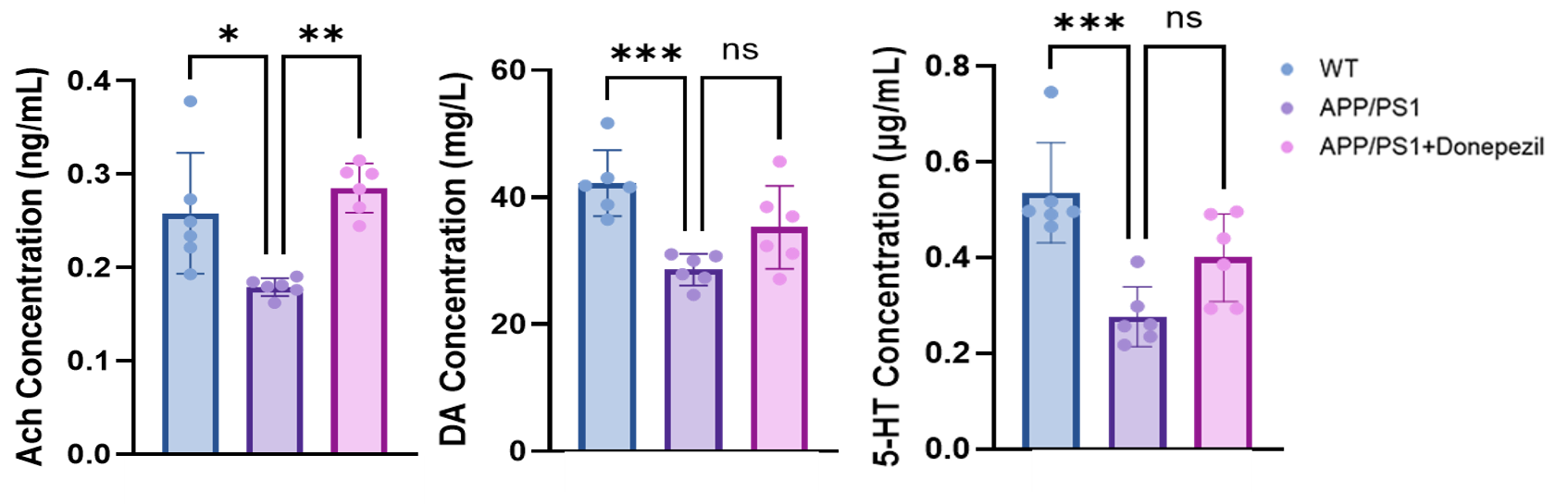
Hippocampal Neurotransmitter Levels: APP/PS1 mice showed depletion of ACh, DA, and 5-HT, which was reversed by donepezil.

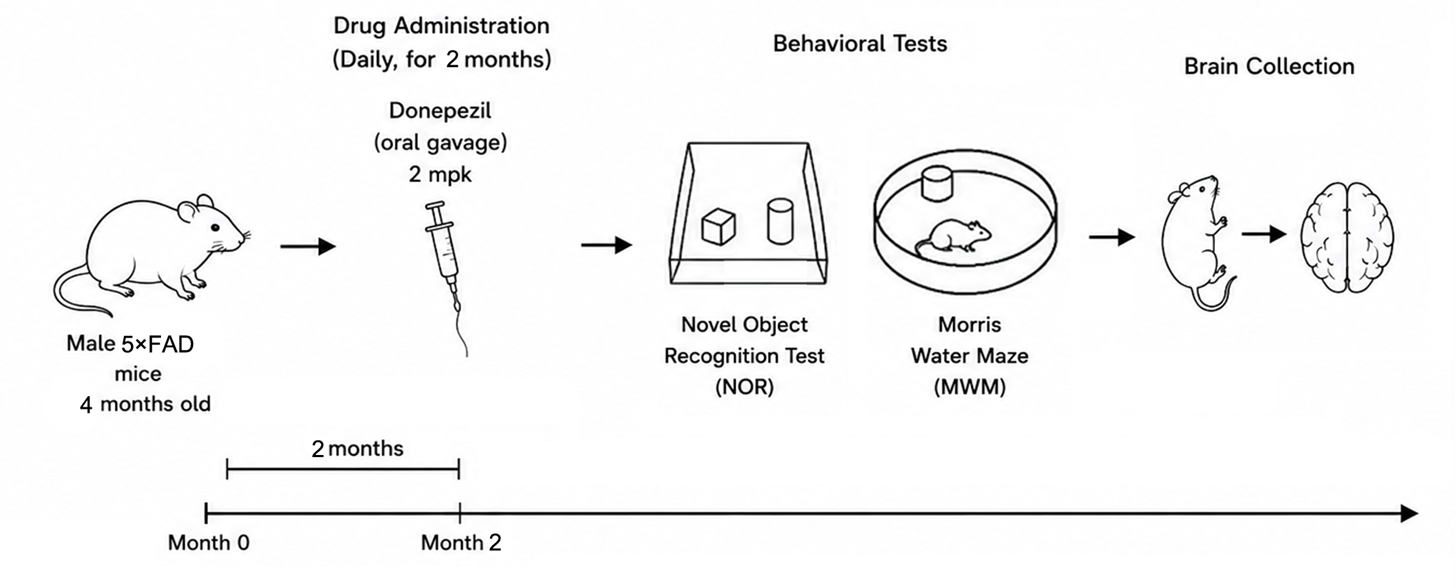
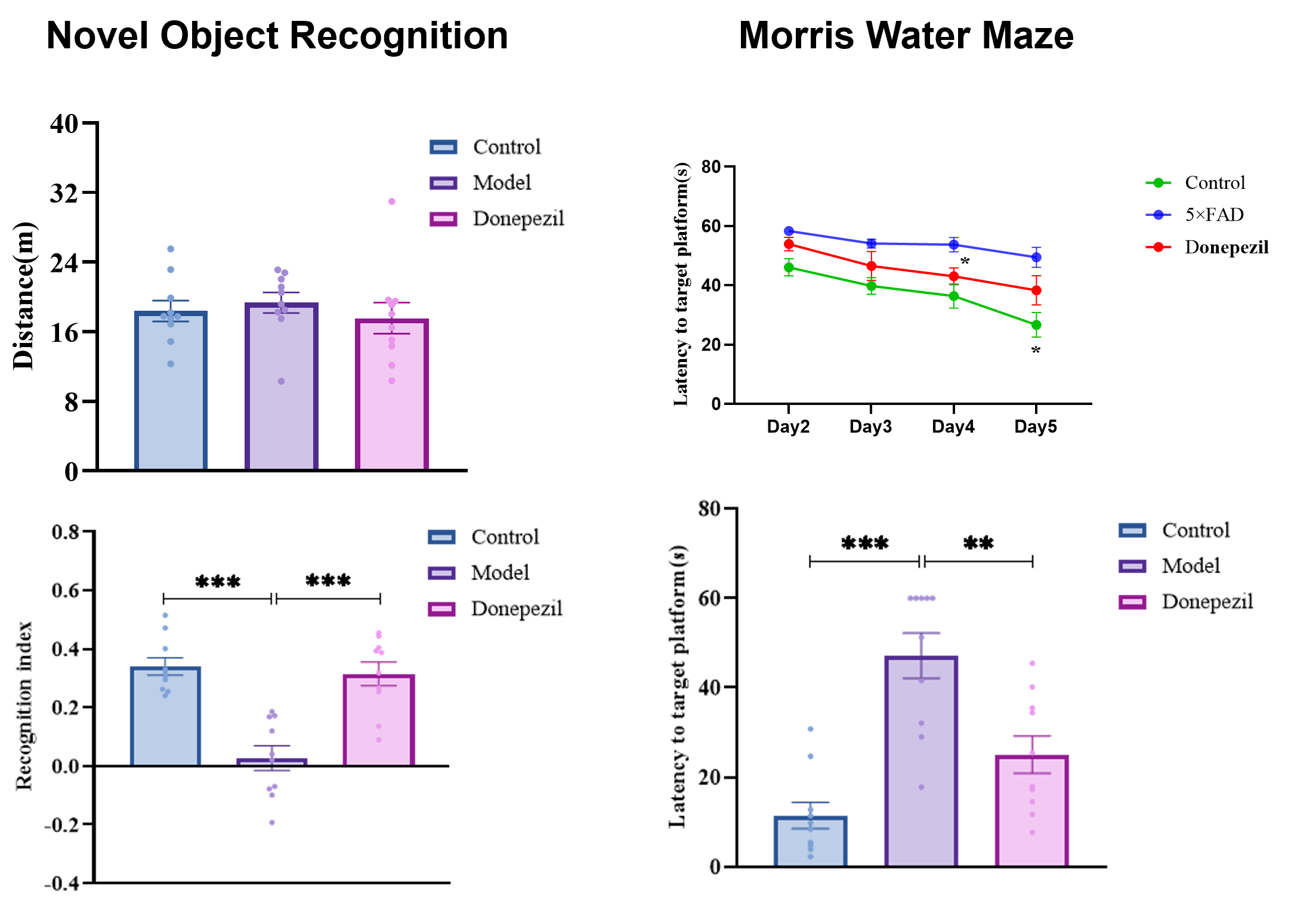
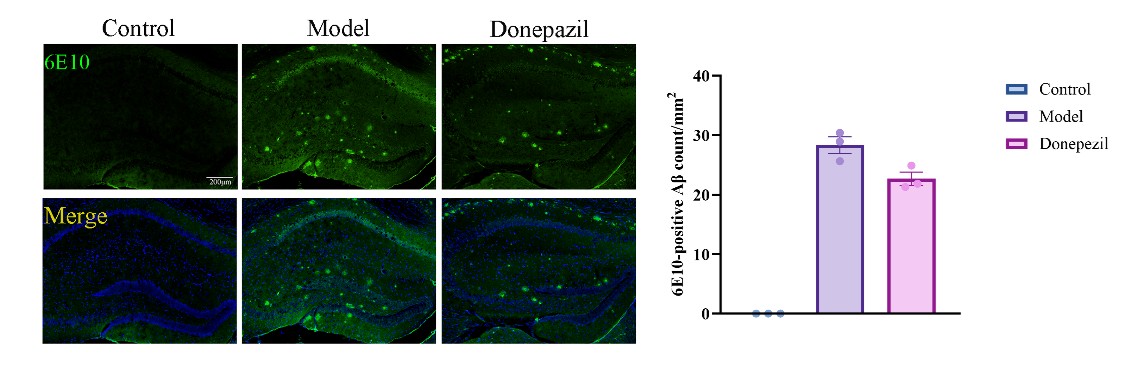
The 5×FAD transgenic mouse model is an aggressive amyloid-focused familial AD model carrying five familial AD mutations—three in APP and two in PSEN1—that drive rapid Aβ accumulation, amyloid deposition, gliosis, neurodegeneration, and cognitive deficits. 5×FAD transgenic mice receive donepezil once daily by oral gavage for 2 consecutive months, followed by comprehensive behavioral testing (NOR, MWM) and brain histopathological analysis.

The 5×FAD model reproduced key AD phenotypes, including impaired recognition and spatial memory, while chronic donepezil treatment significantly ameliorated these behavioral deficits.

6E10 (Amyloid pathology): 5×FAD mice exhibited prominent amyloid plaque deposition, which was significantly attenuated by chronic donepezil treatment, demonstrating the model's utility for rapid anti-amyloid drug evaluation and early-stage intervention studies.

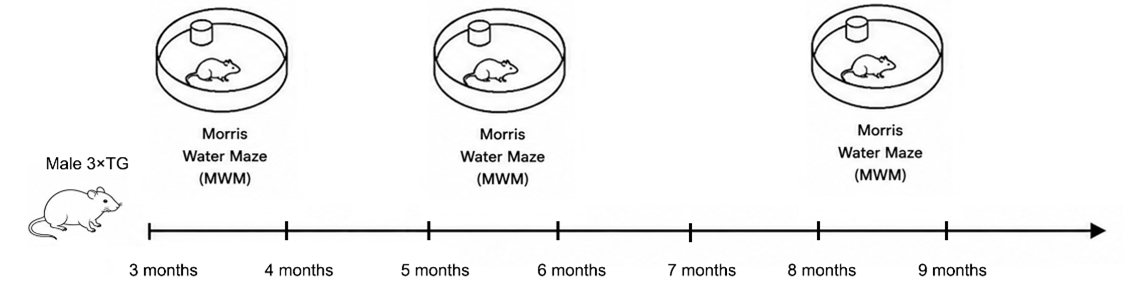
The 3×Tg-AD mouse is a triple-transgenic Alzheimer's disease model carrying human mutant APP, PSEN1, and MAPT (tau) genes. It is one of the widely used models that recapitulates both amyloid-β and tau-related AD pathology, together with progressive synaptic dysfunction and cognitive impairment.

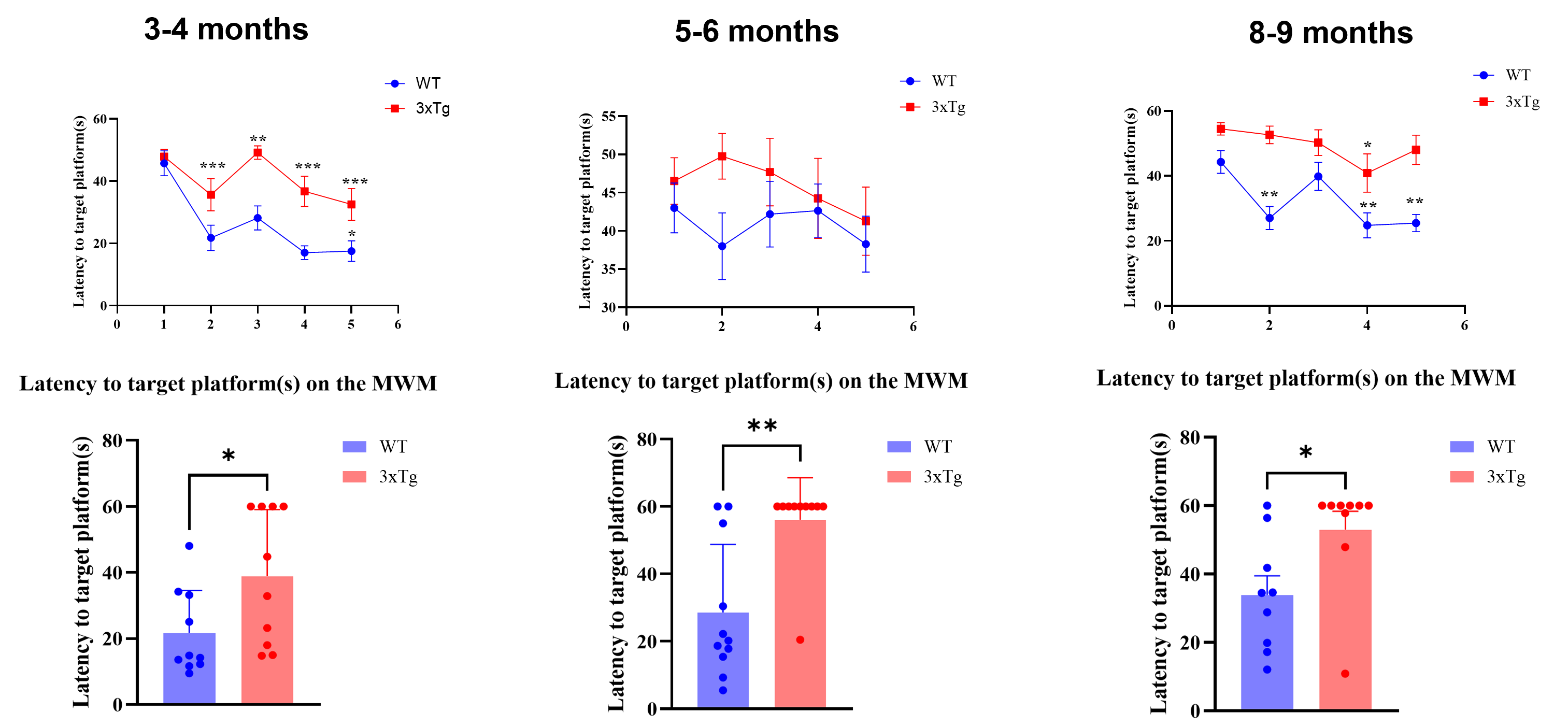
The 3×Tg-AD mice showed persistent spatial learning and memory deficits from 3–9 months in Morris Water Maze (MWM) test, demonstrating a robust longitudinal cognitive phenotype.

We value your inquiries and are here to provide you with tailored solutions for your drug discovery and development needs. Whether you have questions, require more information, or are interested in discussing potential collaborations, our team of experts is just a message away.
Feel free to reach out to us.

Address: Bldg 16, Yd 18, Kechuang 13th St, Etown, Tongzhou Dist, Beijing, 100176, China
Email: marketing@ice-biosci.com
Tel:+86-10-67809840
Get a quote
Go top