
EN CN


Cell Based Assays

Return

Signaling Protein Detection

Cell Signaling Platform
Protein Detection and Post-Translational Modification Analysis

At ICE Bioscience, we offer advanced services designed to support research in cell signaling and drug discovery. Our assay portfolio provides insights into protein dynamics, including expression levels and post-translational modifications such as phosphorylation and methylation. By combining sensitive detection technologies with quantitative analysis, these services help characterize cellular mechanisms and their implications in disease and therapeutic development.

Key Features
Flexible protein detection solutions
01 · COMPREHENSIVE METHODS

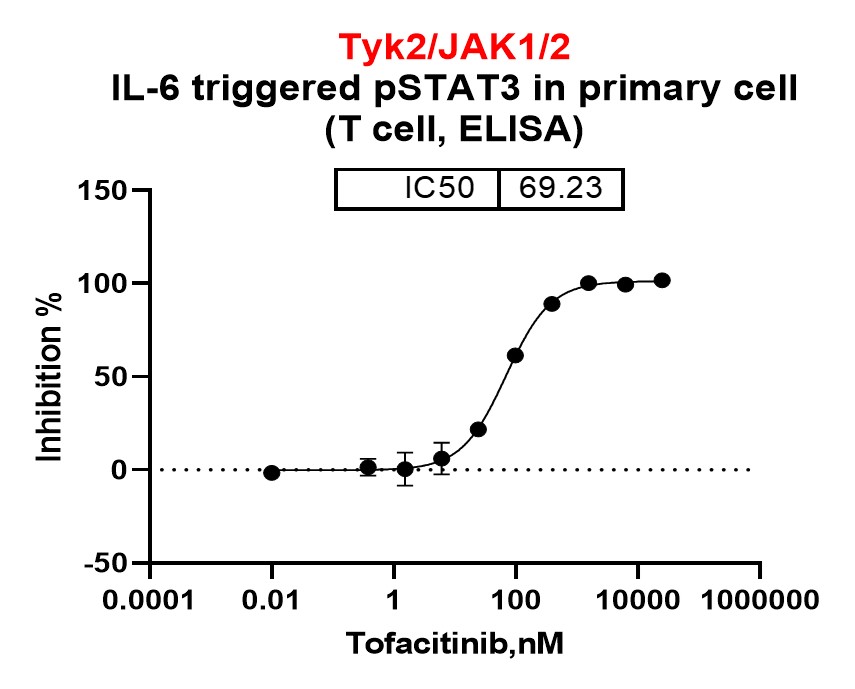
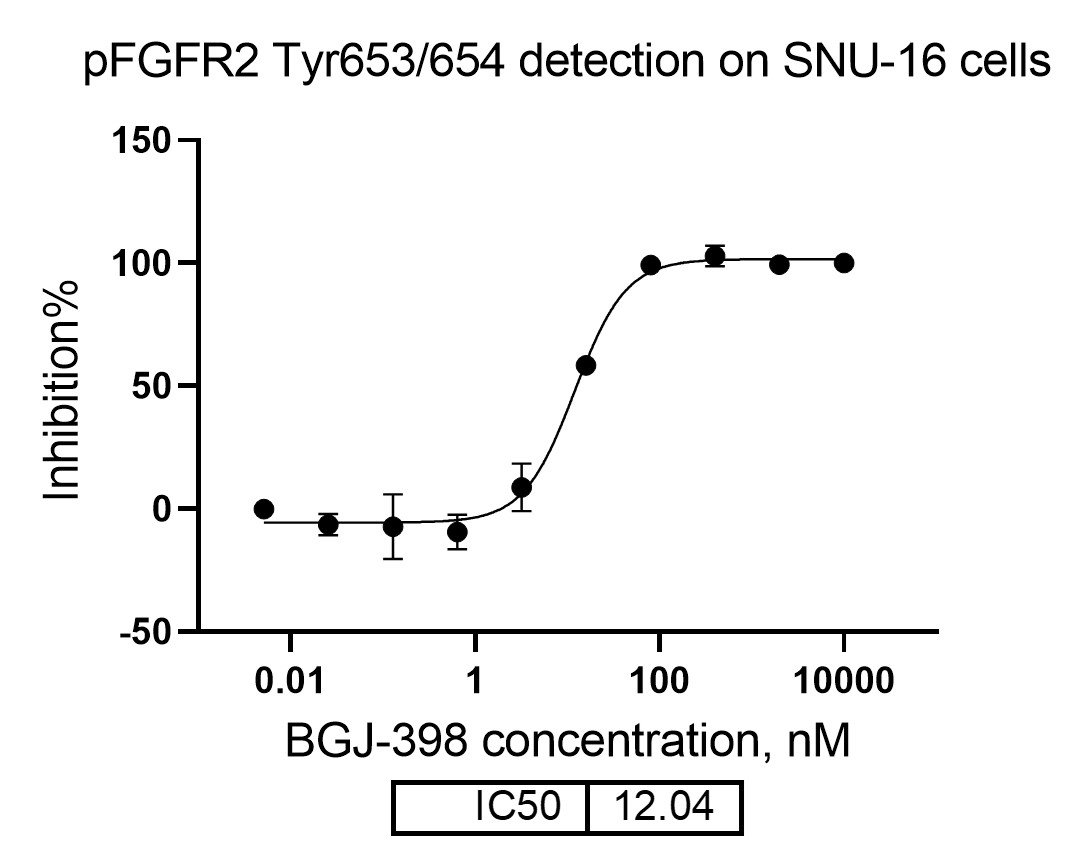
Western blotting, fluorescent Western blotting, digital Western blotting (Jess), flow cytometry, immunofluorescence assay (IFA), ELISA, HTRF, and AlphaLISA support quantitative analysis of protein levels and post-translational modifications.

02 · MULTIPLEXING

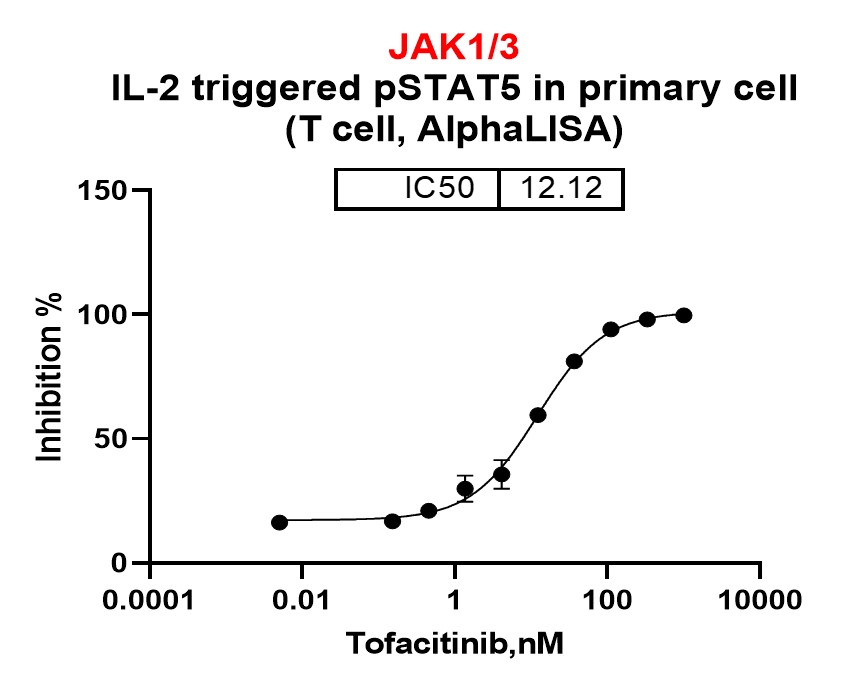
Fluorescent and digital Western blotting, HTRF, and AlphaLISA enable simultaneous detection of multiple proteins for deeper analysis of signaling pathways and cellular responses.

03 · SENSITIVITY AND SPECIFICITY

Assays are designed to provide reliable and reproducible measurements, including the detection of low-abundance proteins.

04 · CUSTOMIZED SOLUTIONS

Tailored assay development is available for basic research studies and applied drug discovery programs.

Detection Portfolio
Protein detection methods
MethodDescriptionApplicationsAdvantagesSample
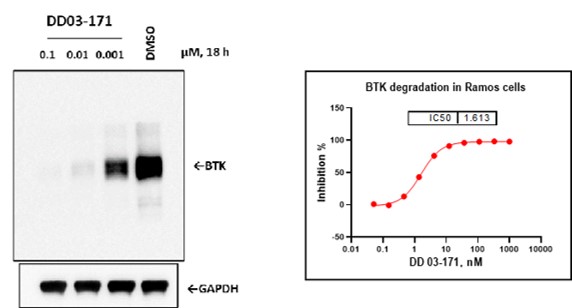
Classic WBWestern blotting separates proteins by SDS-PAGE, transfers them to a membrane, and detects specific proteins using antibodies.Identifies changes in protein expression and modification.High specificity and sensitivity.Classic WB
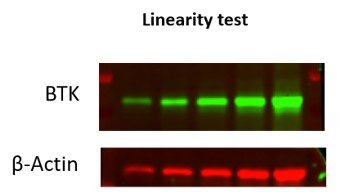
Fluorescent WBSimilar to classic WB, but uses fluorescently labeled antibodies for multiplexing and quantitative analysis.Enables multiplexing of proteins and supports pathway analysis.High sensitivity and quantitative data.Fluorescent WB
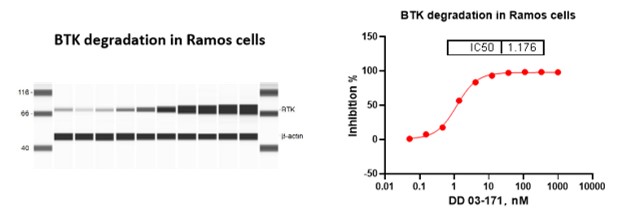
Digital WB (Jess)An automated platform that quantifies proteins using capillary electrophoresis and immunodetection for high-throughput analysis.Rapid analysis of multiple samples and drug response studies.High throughput and low sample-volume requirements.Digital WB
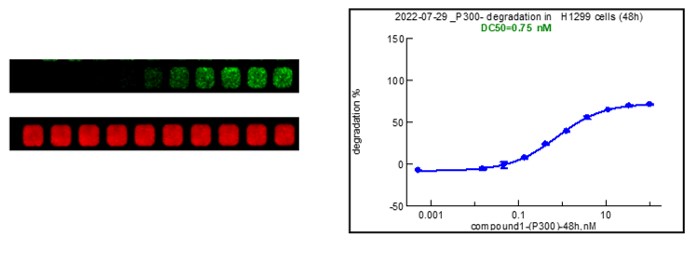
ICWIntracellular staining uses fluorescent antibodies to visualize protein localization within cells and reveal distribution in response to stimuli.Visualizes protein distribution in response to drug treatment.Provides spatial context for protein activity.ICW
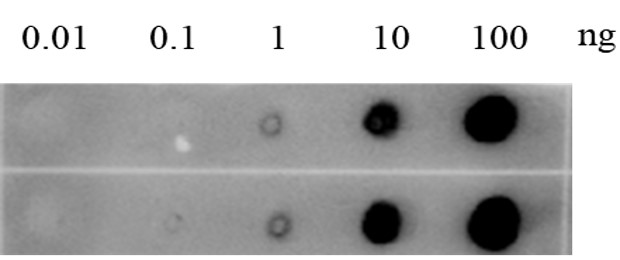
Dot BlotA simplified form of Western blotting in which samples are directly spotted onto a membrane for rapid protein detection without separation.Quick screening for protein expression and initial drug screening.Fast and easy to perform.Dot Blot
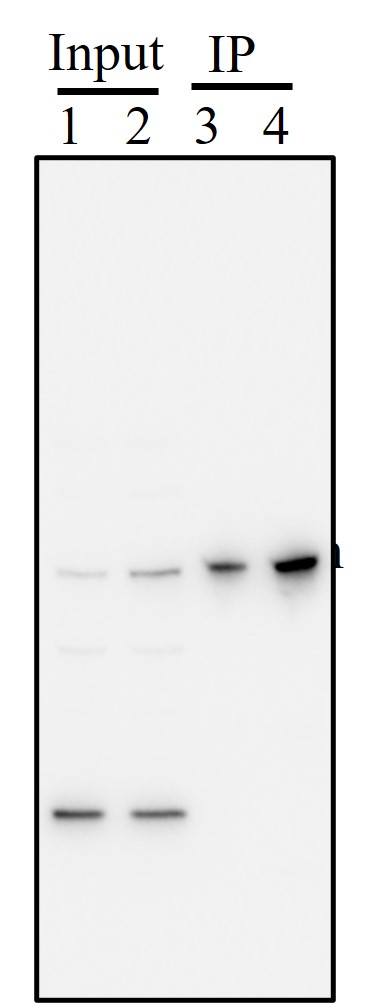
Co-IPCo-immunoprecipitation uses antibodies to isolate protein complexes and study protein–protein interactions within signaling pathways.Studies protein–protein interactions in signaling pathways.Useful for understanding complex interaction networks.Co-IP
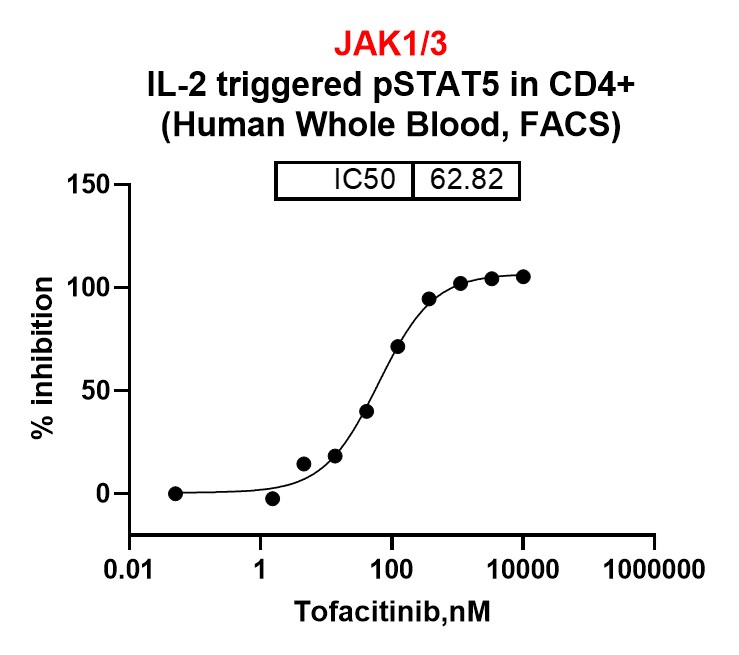
Flow CytometryMeasures the physical and chemical characteristics of cells or particles as they flow through a beam of light.Analyzes protein expression and signaling pathways in single cells.High throughput and simultaneous multiparameter analysis.Flow Cytometry
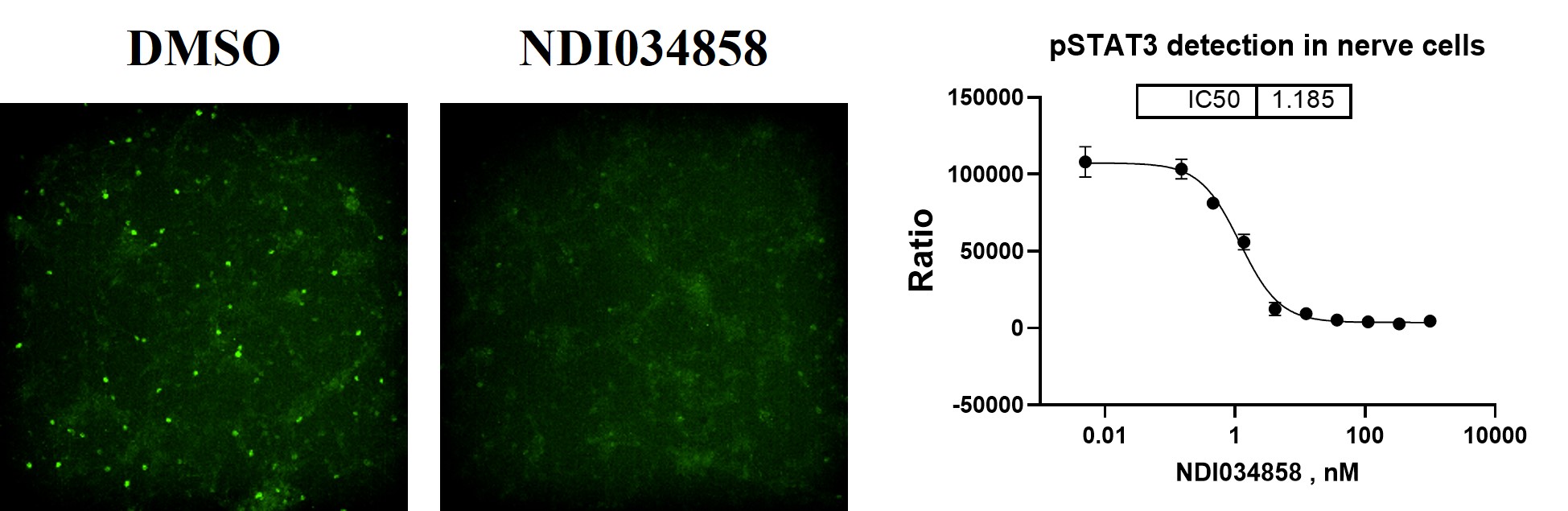
IFAImmunofluorescence assay uses fluorescently labeled antibodies to visualize the presence and location of proteins in cells or tissues.Studies protein localization and interactions in cell signaling.Provides spatial and temporal resolution of protein expression.IFA
ELISAA plate-based assay for detecting and quantifying proteins, peptides, antibodies, and hormones.Measures cytokines and growth factors in drug discovery.High sensitivity and specificity; suitable for large sample sizes.ELISA
HTRFHomogeneous Time-Resolved Fluorescence is based on FRET for quantifying biomolecular interactions.Studies receptor–ligand interactions and signaling pathways.High sensitivity and low sample-volume requirements.HTRF
AlphaLISAAlphaLISA is a no-wash assay that uses energy transfer between donor and acceptor beads to quantify biomolecular interactions in homogeneous solution.Measures protein–protein interactions and drug target engagement.Fast, simple protocol suitable for high-throughput screening.AlphaLISA

Contact Us

We value your inquiries and are here to provide you with tailored solutions for your drug discovery and development needs. Whether you have questions, require more information, or are interested in discussing potential collaborations, our team of experts is just a message away.
Feel free to reach out to us.

We are a CRO service organization, not a hospital


Get a quote

Go top