IN VIVO DEPRESSION MODELS
In vivo models of Major Depressive Disorder (MDD) act as vital translational verification tools following in vitro mechanism screening. They enable comprehensive assessment of candidate antidepressants’ behavioral efficacy, in vivo mechanism of action, pharmacokinetic correlation, and preliminary safety profiles within intact living organisms, capturing multi-tissue crosstalk invisible to single-cell assays. By confirming whether cellular protective effects translate into tangible anti-depressive behavioral improvements, in vivo MDD models help eliminate false-positive hits from in vitro tests, improve the clinical predictive value of preclinical data, and accelerate the progression of novel antidepressant therapeutics.
We have established a comprehensive in vivo MDD model system covering multiple pathological dimensions. Our models simulate diverse clinical etiologies, including chronic stress, social defeat, and cognitive helplessness, while reproducing core depressive symptoms such as anhedonia, behavioral despair, social withdrawal, and motivational deficits. We deliver comprehensive behavioral assessments including sucrose preference test (SPT), social interaction test (SIT), open field test (OFT), tail suspension test (TST), forced swimming test (FST), and conditioned avoidance response (CAR) test. Combined with ELISA, immunofluorescence (IF), magnetic resonance imaging (MRI), and microdialysis techniques, these models support multi-layered efficacy evaluation spanning neuroendocrine, molecular, and in vivo imaging readouts.
VALIDATED MODEL LIBRARY
Explore the model-specific validation workflow
Select a model below to review its biological rationale, experimental design, efficacy readouts, and representative data.
01Chronic Social Defeat Stress (CSDS) Depression Model
The Chronic Social Defeat Stress (CSDS) model is a psychosocial stress paradigm with exceptionally high etiological validity. It distinguishes between “susceptible” and “resilient” individuals, effectively mirroring the clinical heterogeneity observed in human depression. This model is ideal for studying social and reward deficits, treatment-resistant depression (TRD), and rapid antidepressant mechanisms.
Experimental Flow Design
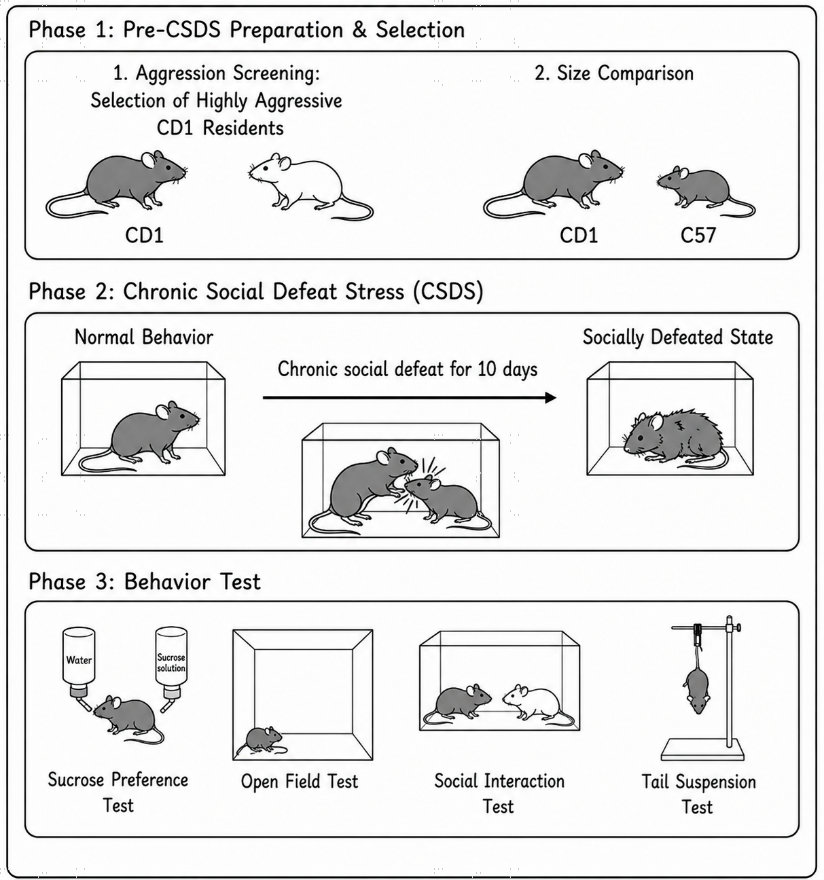
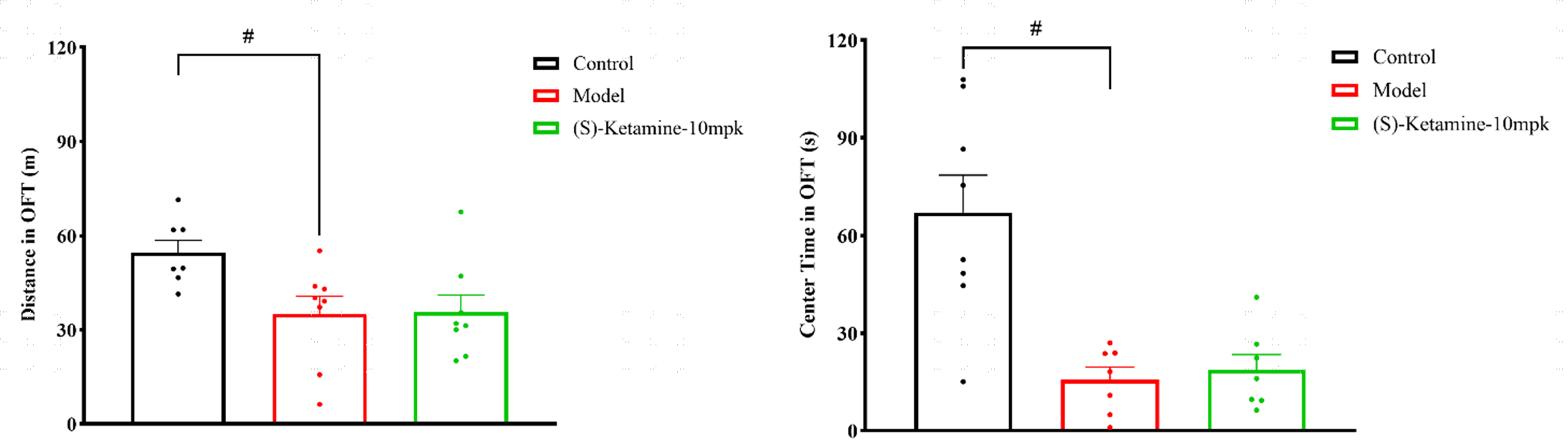
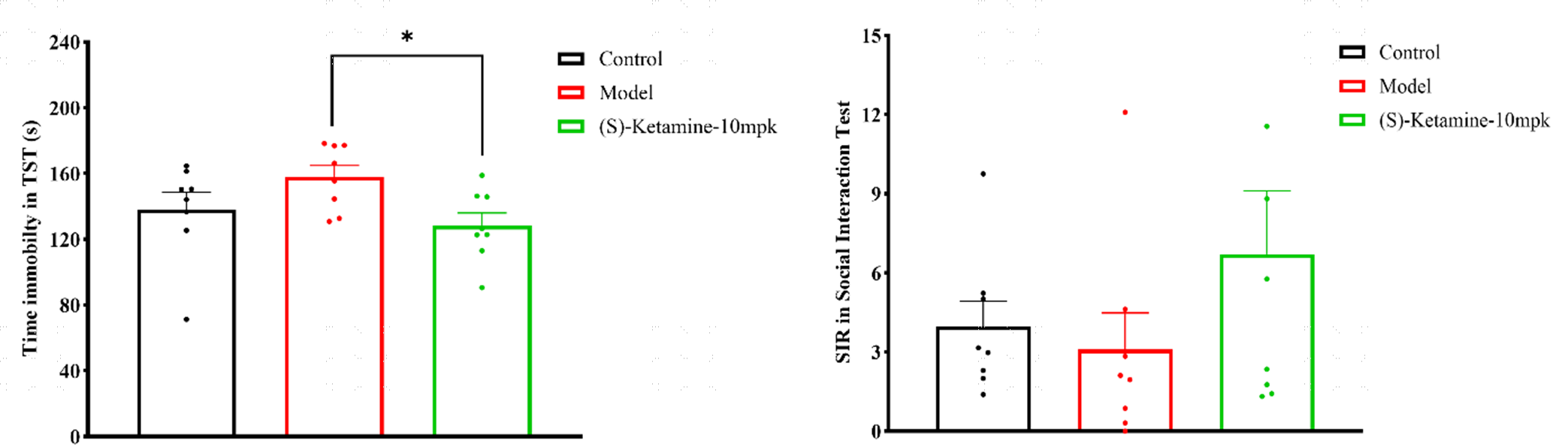
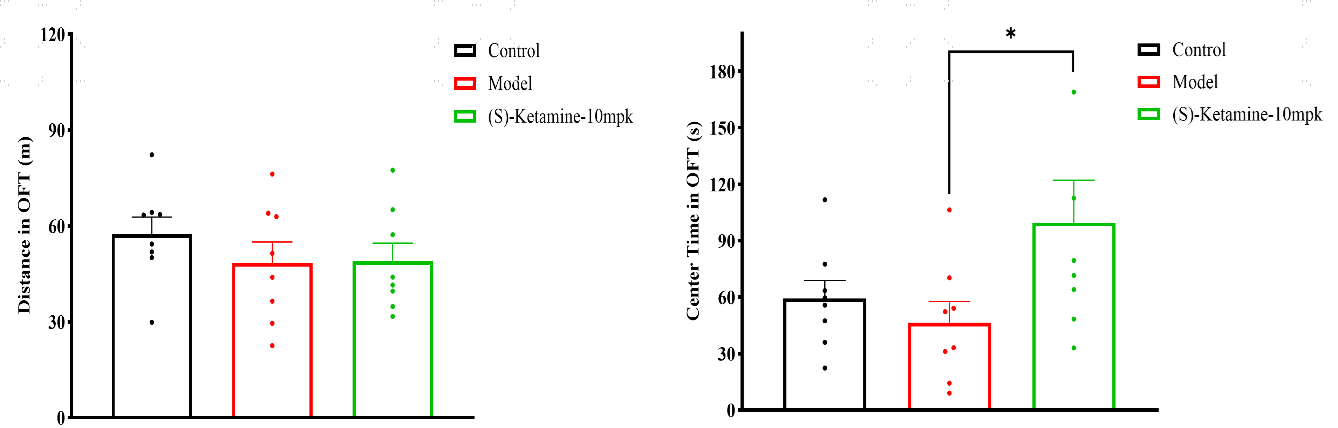
We validated the CSDS model using single-dose S-ketamine administration at two post-modeling time points.
Day 7 Post-Modeling: Single-dose ketamine testing 1 hour post-dosing demonstrated improvements in Tail Suspension Test (TST) immobility and Social Interaction Test (SIT) ratios, confirming the model's strong recognition ability for rapid antidepressant effects. Open Field Test (OFT) was employed as an auxiliary QC endpoint to control for locomotor confounds.
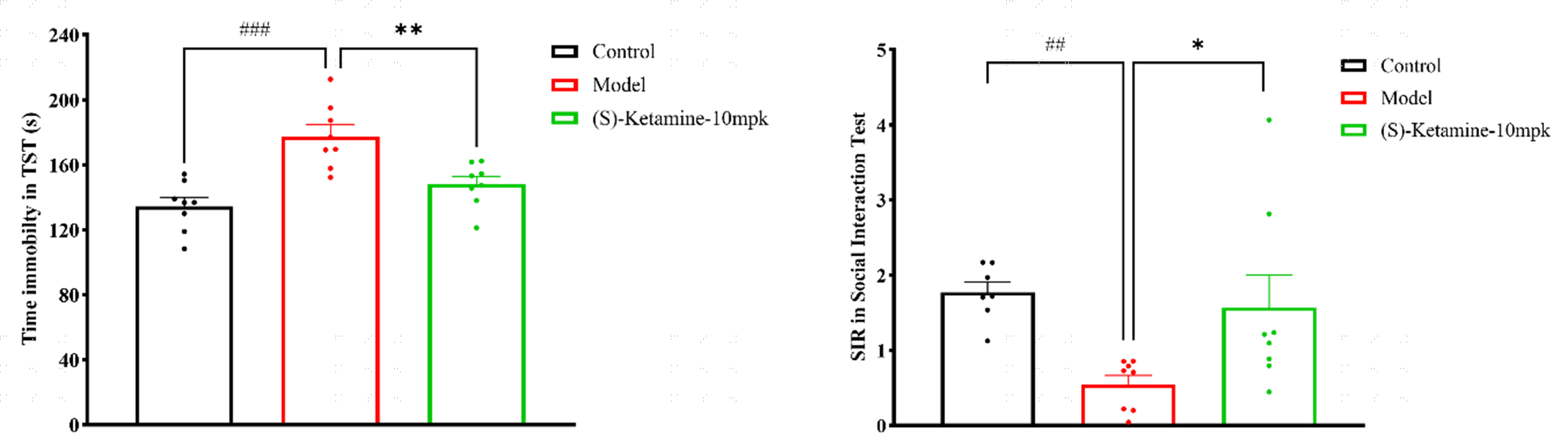
Day 14 Post-Modeling: Extended single-dose ketamine testing 1 hour post-dosing confirmed the stability of phenotype detection across the social interaction, despair, and locomotor domains.
02Learned Helplessness (LH) Depression Model
The Learned Helplessness (LH) model offers high cognitive validity by uniquely simulating the cognitive despair central to MDD. It effectively distinguishes between “helpless” and “non-helpless” individuals, making it particularly powerful for studying motivational deficits, negative cognition, and loss of behavioral control.
Experimental Flow Design
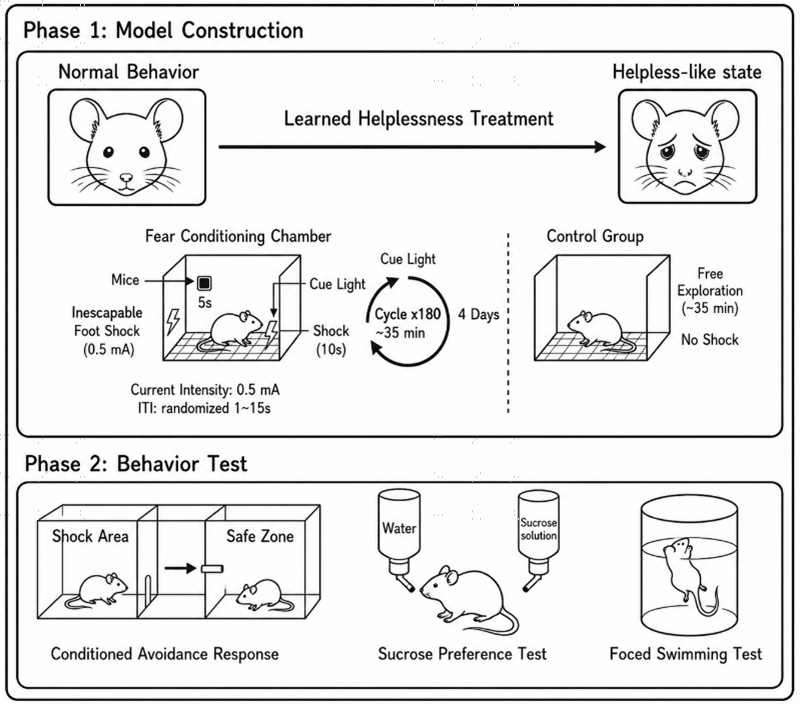
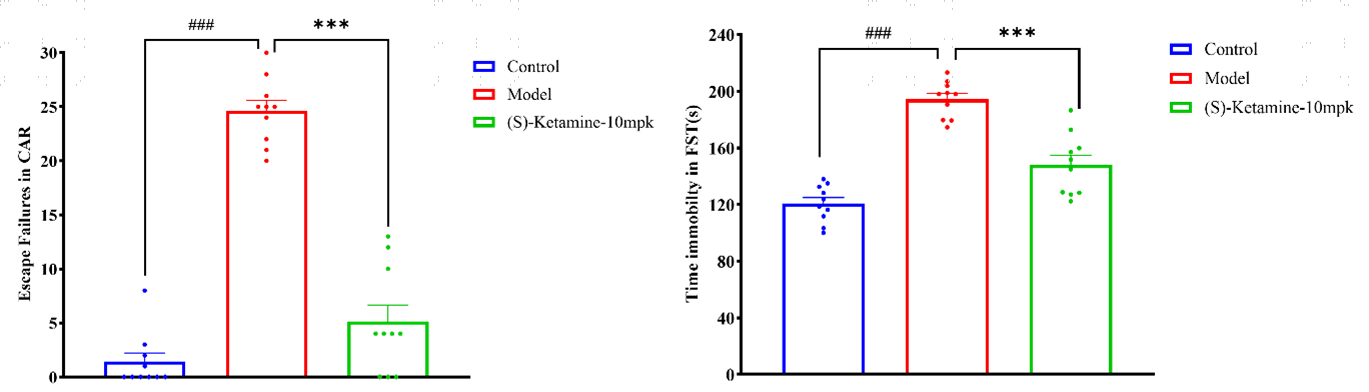
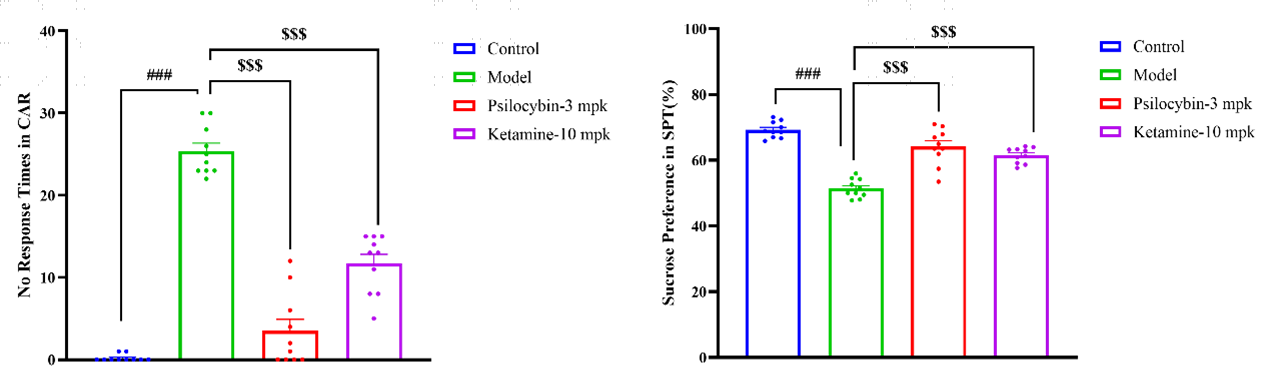
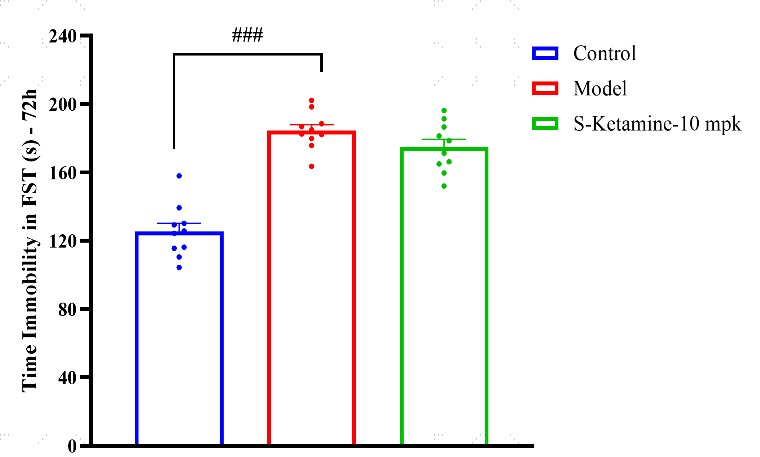
We evaluated the LH model using Ketamine and Psilocybin across multiple time windows. The results indicate that Ketamine and Psilocybin simultaneously improved all three tested behavioral endpoints, demonstrating the model's strong efficacy recognition within the current detection window.
1 Hour Post-Ketamine Administration: Evaluation via Conditioned Avoidance Response (CAR) and Forced Swimming Test (FST).
24 Hours Post-Psilocybin & Ketamine Administration: Concurrent assessment of CAR and SPT to compare mechanistic onset profiles.
72 Hours Post-Ketamine Administration: Extended FST evaluation to assess durability of antidepressant-like effects.
03Chronic Unpredictable Mild Stress (CUMS) Depression Model
The Chronic Unpredictable Mild Stress (CUMS) model represents the gold standard for preclinical depression research, offering extremely high predictive validity. It faithfully recapitulates depression's complex etiology and broad symptom spectrum—including anhedonia, anxiety, and cognitive/physiological changes—to evaluate diverse drug mechanisms and chronic treatment outcomes.
Experimental Flow Design
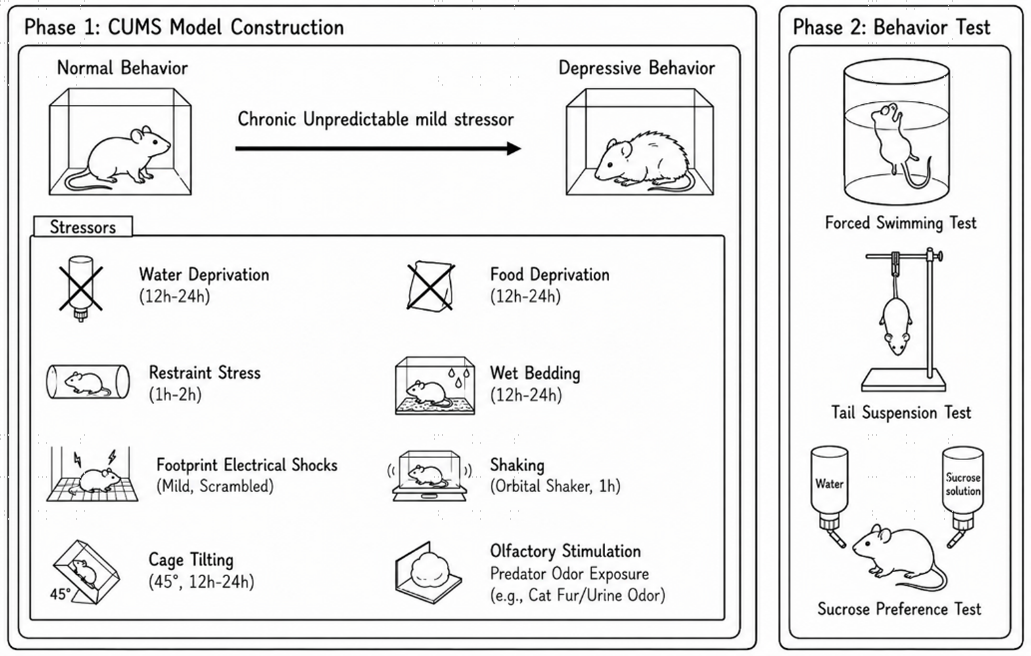
Behavioral Efficacy Validation
We conducted a comprehensive behavioral comparison of rapid-acting versus traditional antidepressants. Prior to formal drug administration, a Baseline-TST was performed to screen for animals with stable depressive-like phenotypes and to ensure balanced group allocation. Stratified randomization was conducted based on baseline data to ensure consistent depressive phenotype levels across all experimental groups before dosing, eliminating grouping bias and ensuring the rigor of subsequent efficacy evaluation.
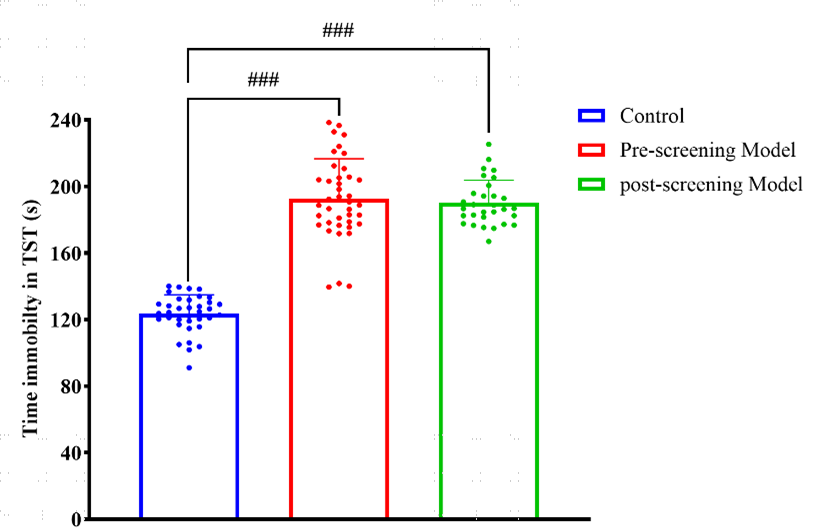
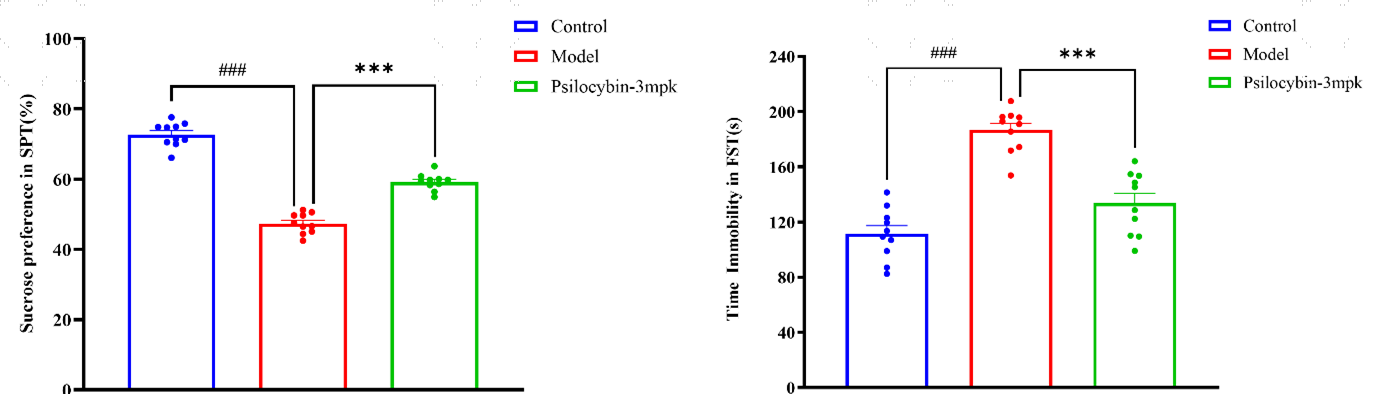
Acute Rapid-Acting Agents (Ketamine & Psilocybin): Testing at 1 hour (SPT, TST, FST) and 24 hours (SPT, FST) post-administration revealed significant behavioral improvements within narrow time windows.
SPT, TST and FST Testing 1 Hour Post-Ketamine Administration

SPT and FST Testing 24 Hours Post-Psilocybin Administration
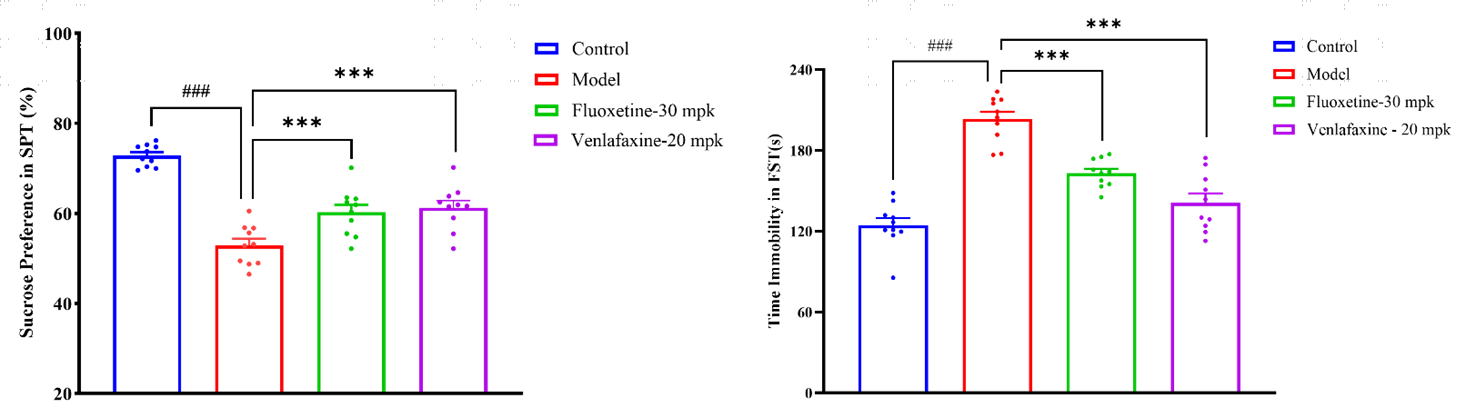
Chronic Traditional Agents (Fluoxetine & Venlafaxine): Daily administration for 14–15 days was required to manifest significant therapeutic efficacy in SPT and FST, accurately reflecting the delayed clinical onset of monoaminergic modulators and validating the model's predictive translational value for diverse pharmacological interventions.
SPT and FST Testing After 14–15 Days of Daily Fluoxetine and Venlafaxine Administration
Mechanistic & Neurobiological Correlates
Beyond behavior, we utilized the CUMS model to investigate molecular and structural mechanisms of depression and recovery.
Study of the BDNF-TrkB Pathway After 15 Days of Daily Fluoxetine Administration
Molecular Mechanisms: CUMS significantly reduced BDNF levels and decreased the immunofluorescence intensity of TrkB, p-PLCγ1, and p-CREB, indicating impaired neurotrophic signaling. CUMS also reduced GFAP-positive astrocytes and CD206/Iba1-positive microglia, suggesting impaired glial support and diminished anti-inflammatory responses.
Cellular Plasticity: CUMS significantly reduced both mature spine density and total dendritic spine density. Fluoxetine restored dendritic spine density, indicating recovery of synaptic plasticity.
Brain Structural Changes: CUMS mice exhibited reduced gray matter volume in both the prefrontal cortex (PFC) and temporal cortex, indicating stress-associated brain atrophy in regions involved in emotional regulation and cognitive function.
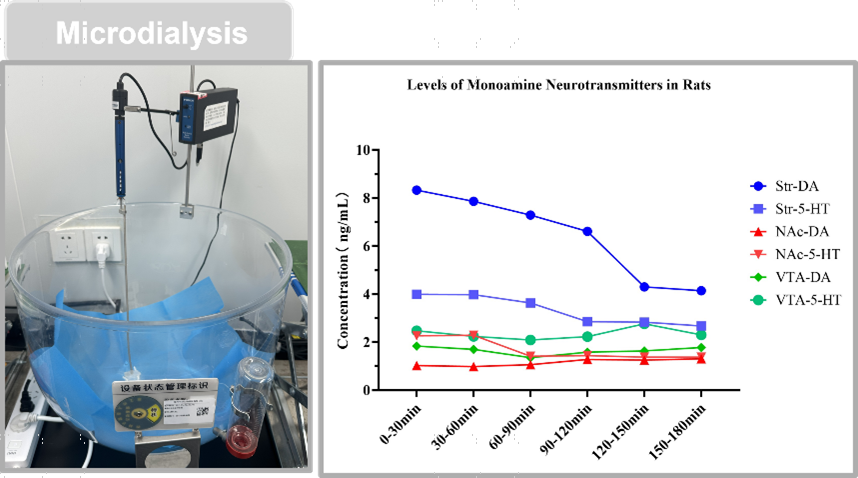
Real-Time Neurochemical Monitoring (Microdialysis)
We employed in vivo microdialysis to continuously monitor neurotransmitter dynamics in the extracellular space of freely moving rats. This technique provides high-resolution insights into the dynamic neurochemical changes underlying stress-induced pathology and drug-induced recovery, serving as an essential tool for mechanism validation in neuroscience research.