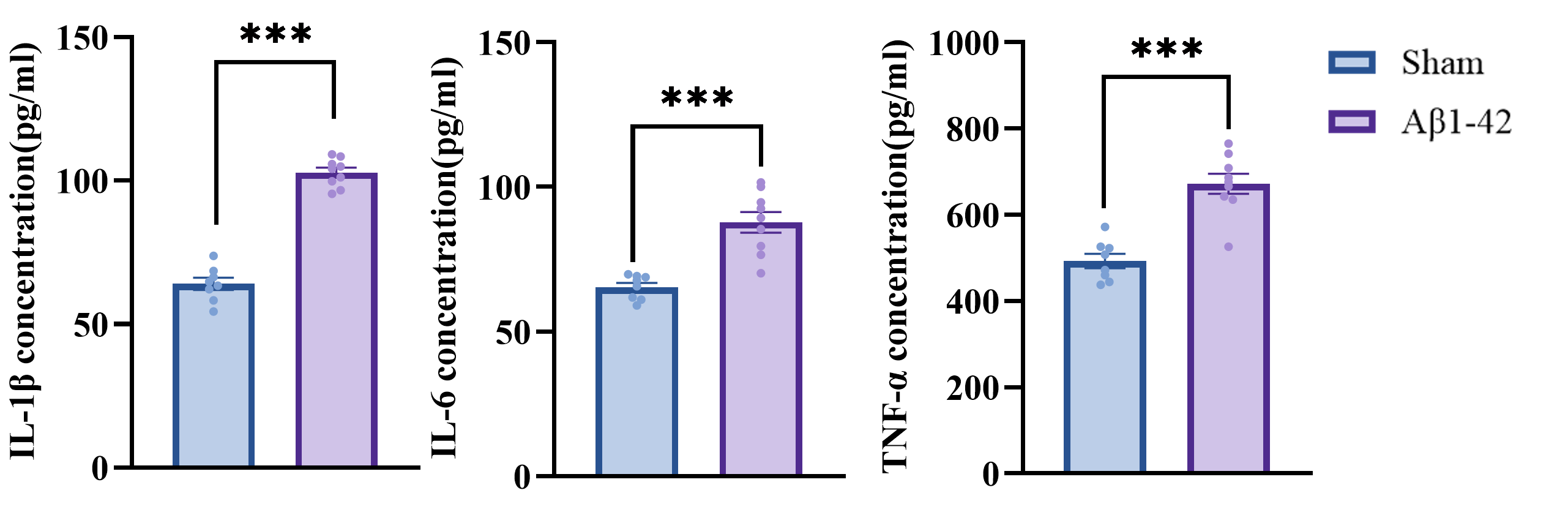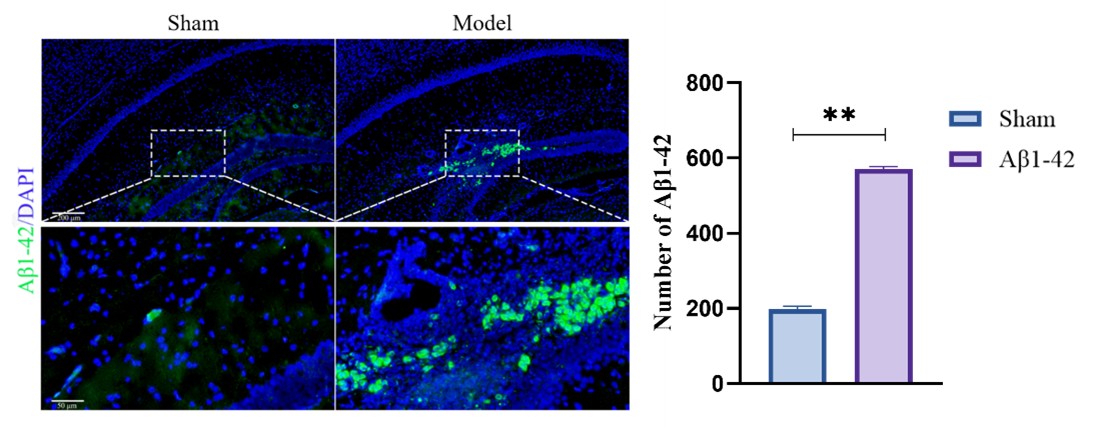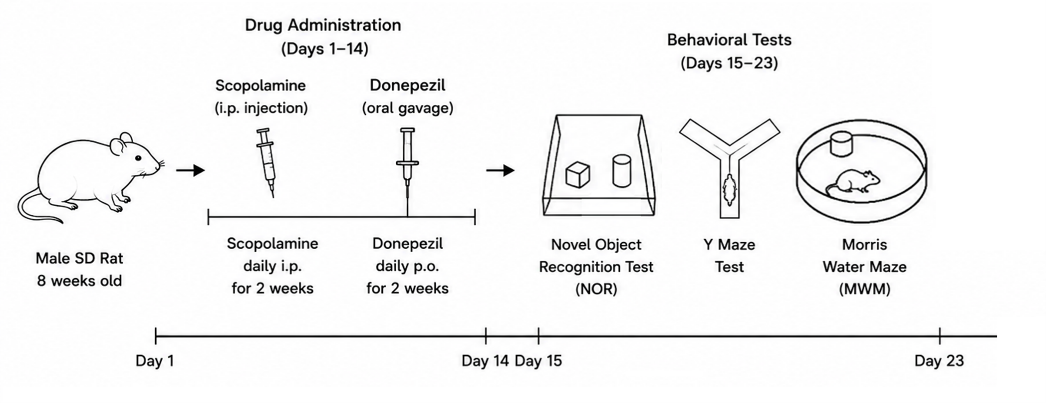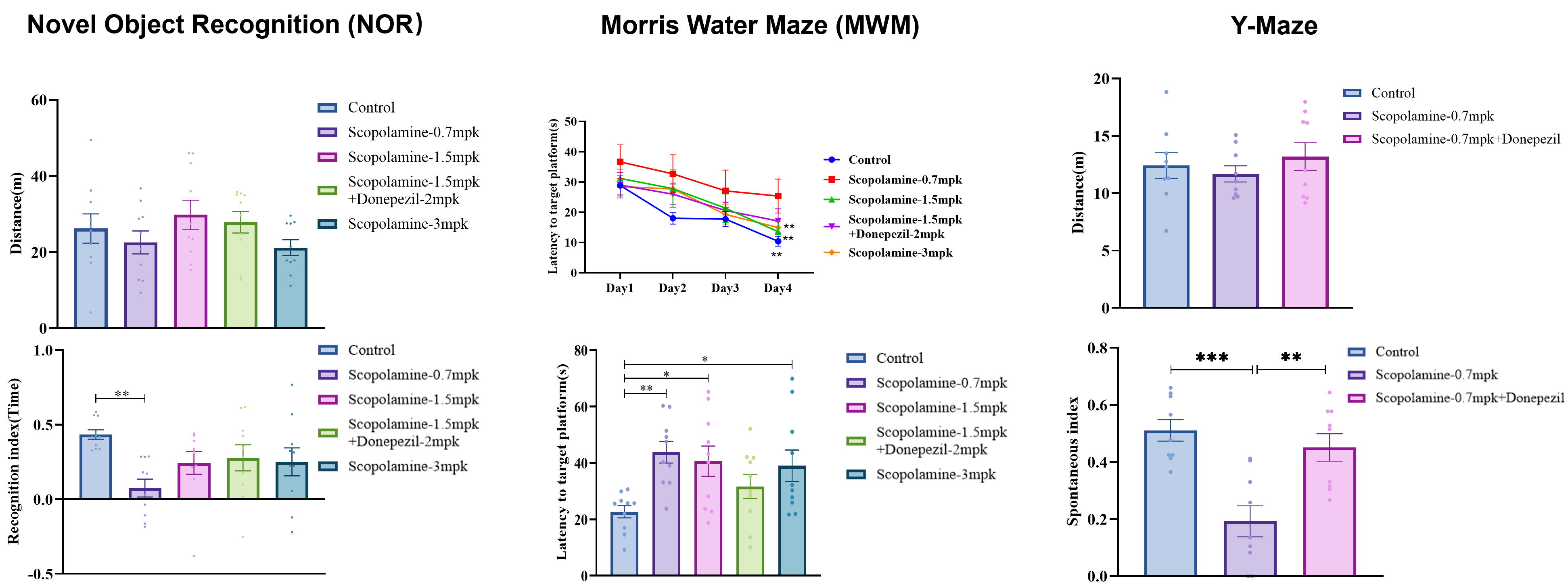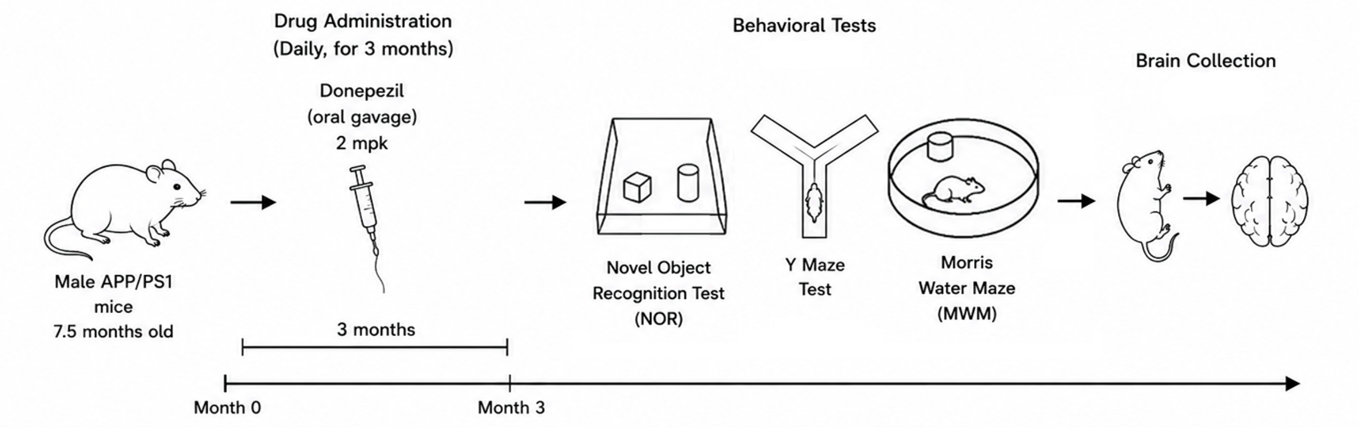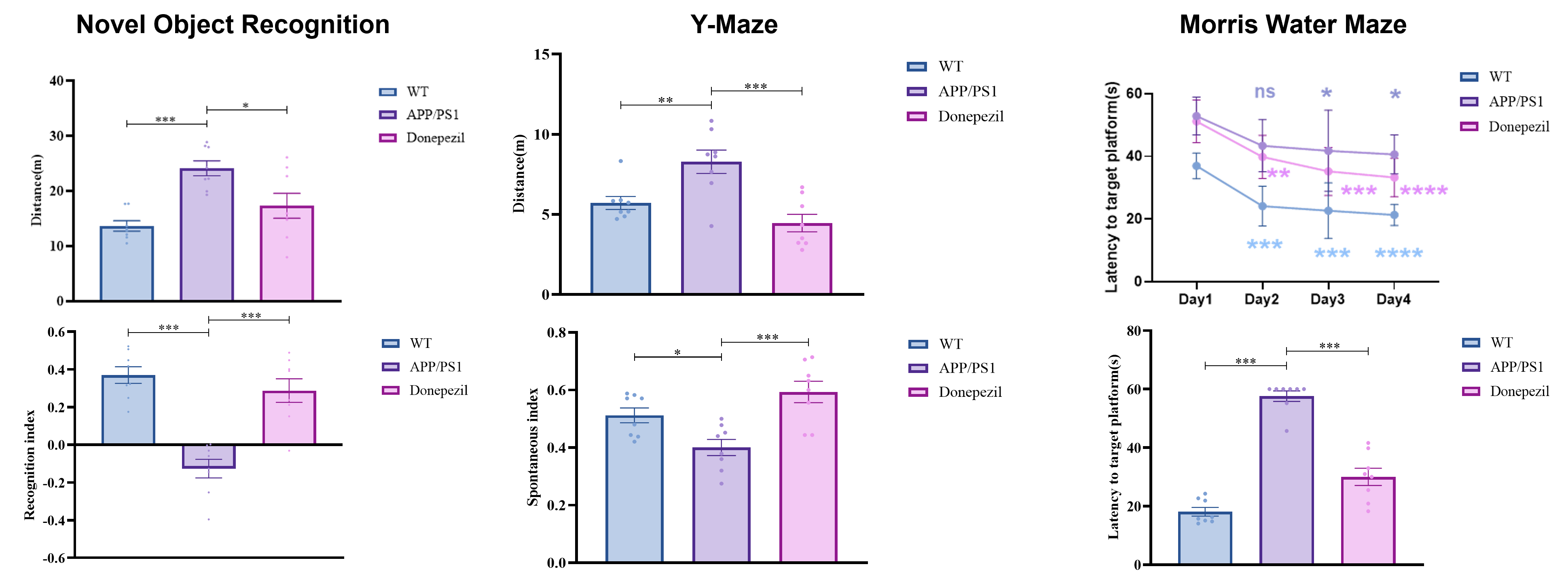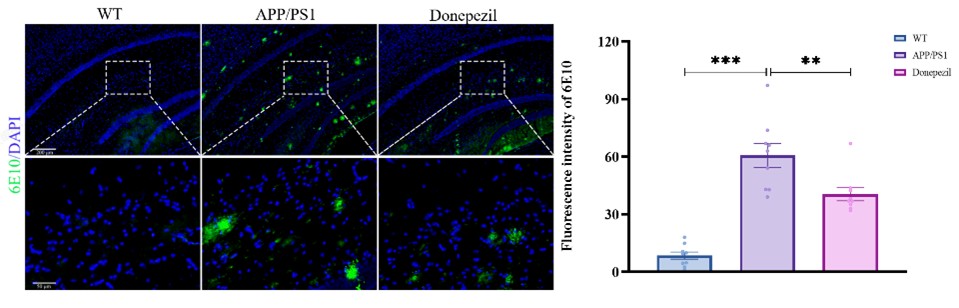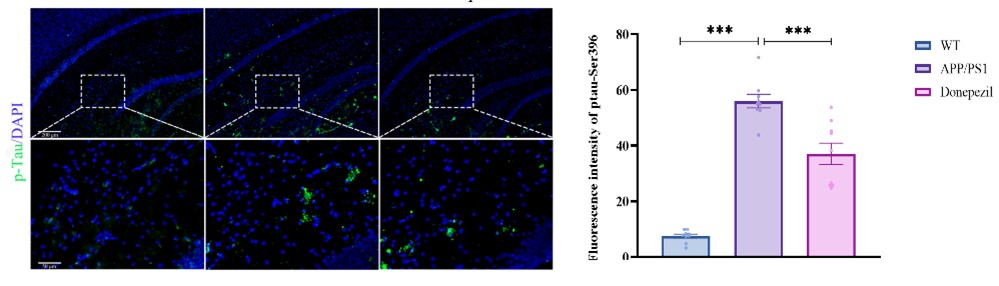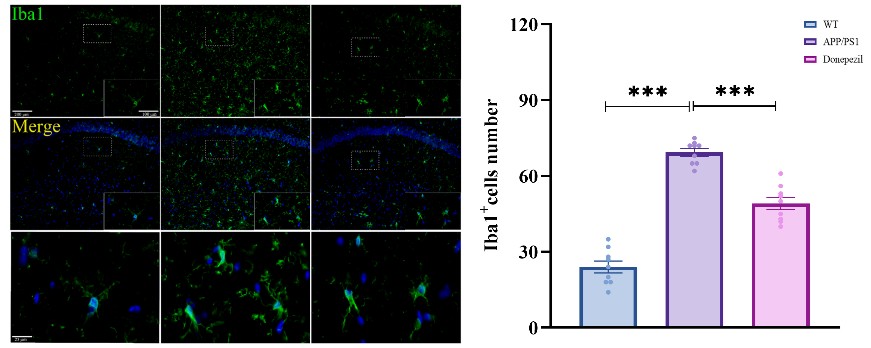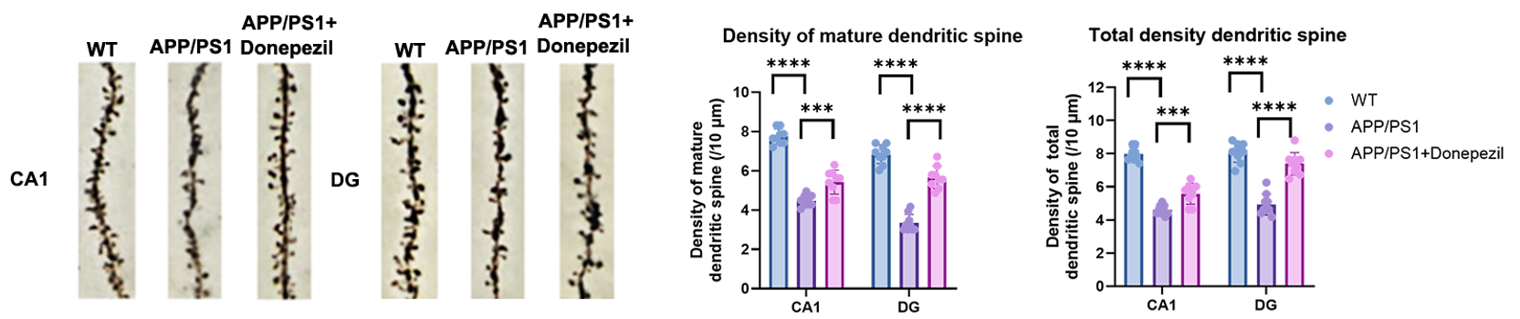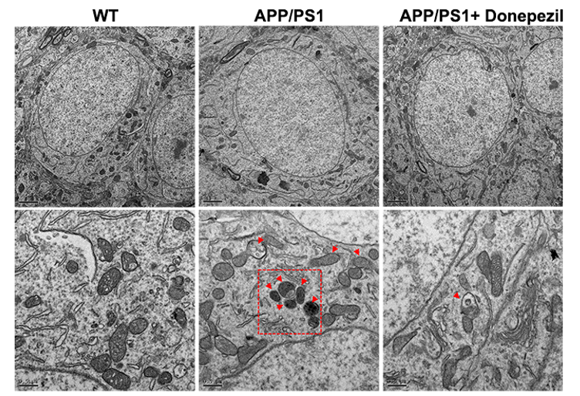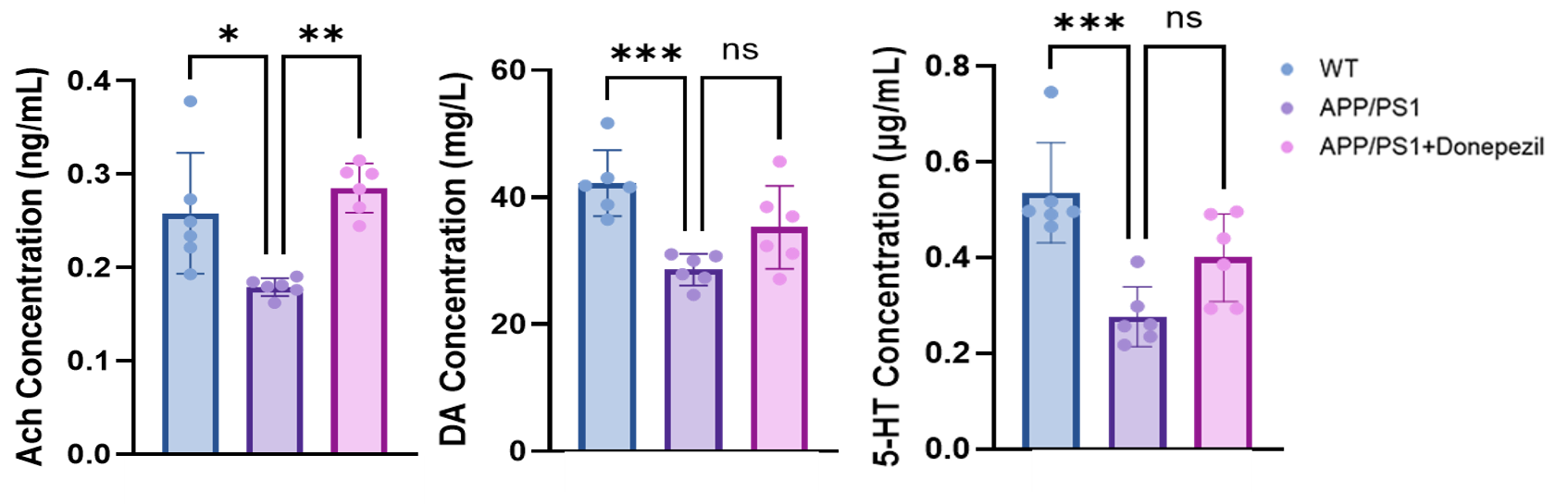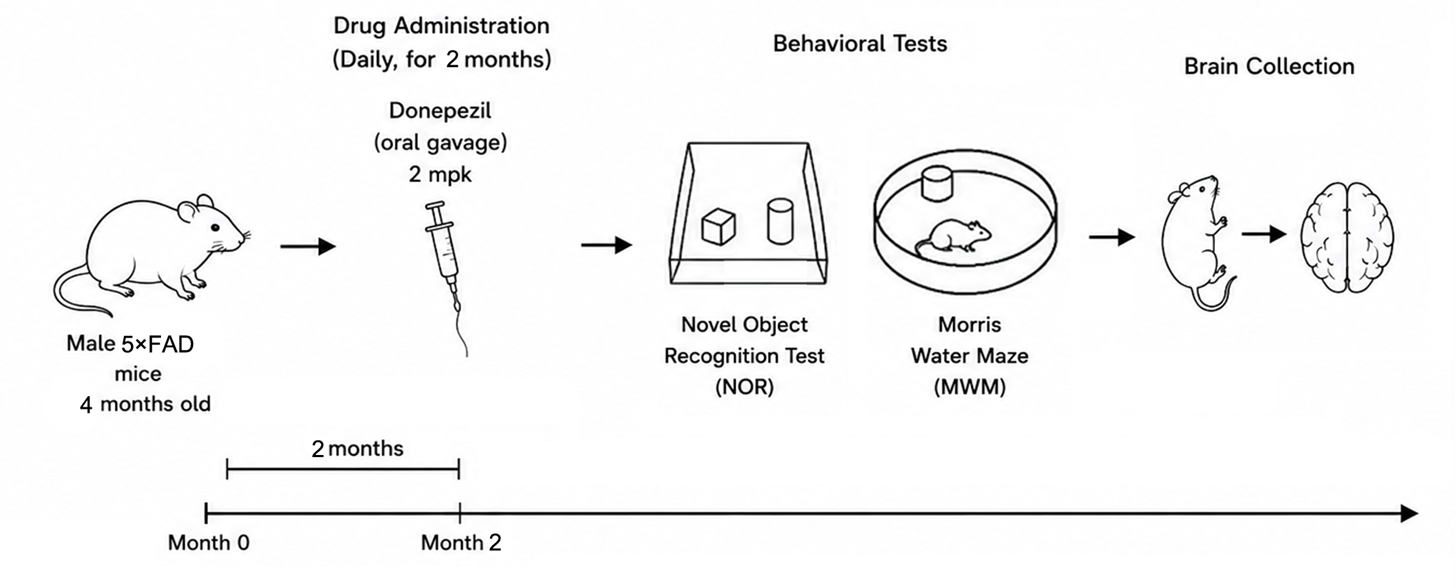

Alzheimer's disease (AD) is the most prevalent neurodegenerative disorder worldwide, imposing a rapidly growing public health burden amid global population aging. Driven by complex pathophysiology—including amyloid-β (Aβ) plaque deposition, tau hyperphosphorylation, synaptic degeneration, neuroinflammation, and progressive cognitive decline—AD drug development has long faced high clinical failure rates. Validated in vivo models that faithfully recapitulate core human disease hallmarks are the cornerstone of improving preclinical predictive value and de-risking clinical translation.
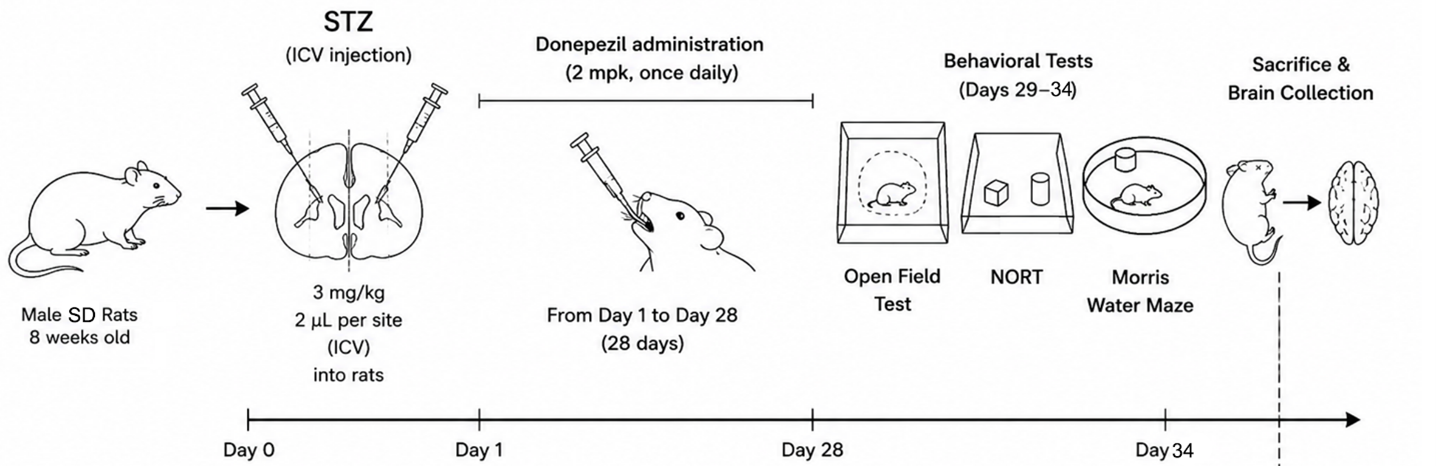
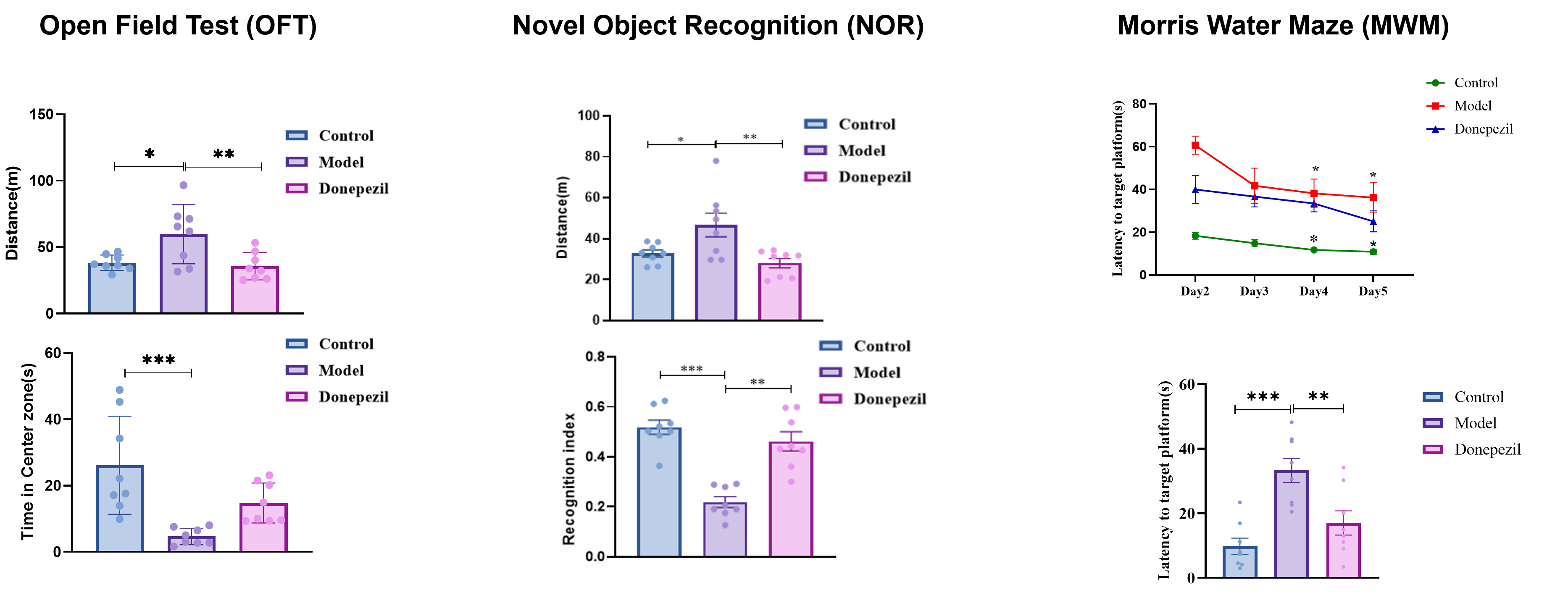
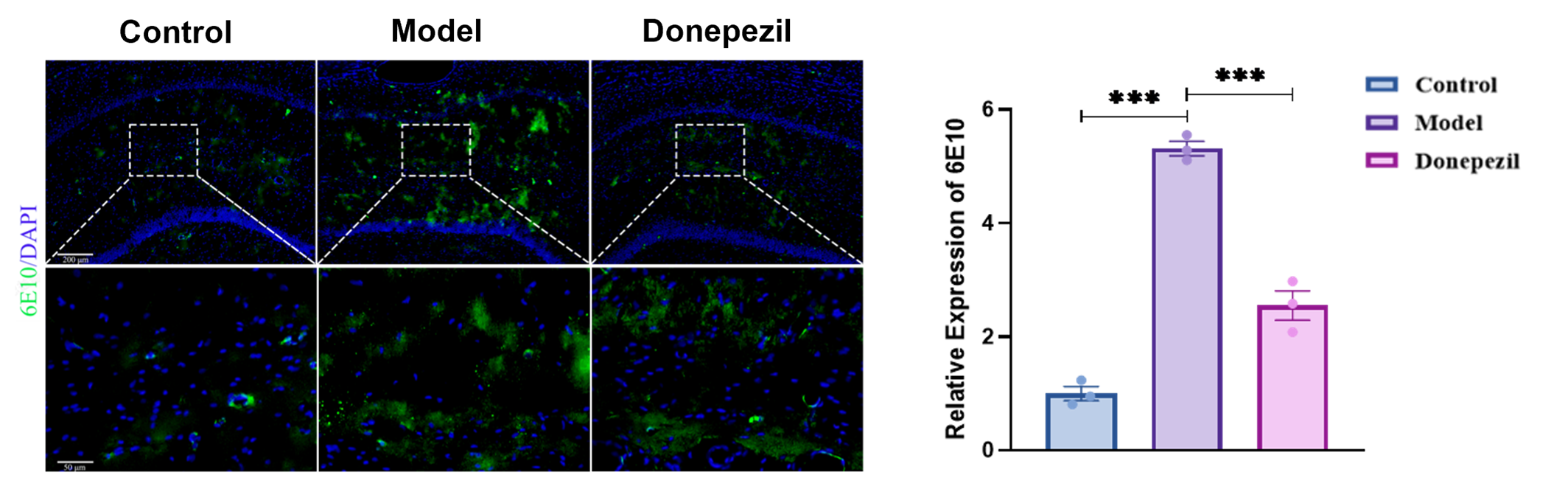
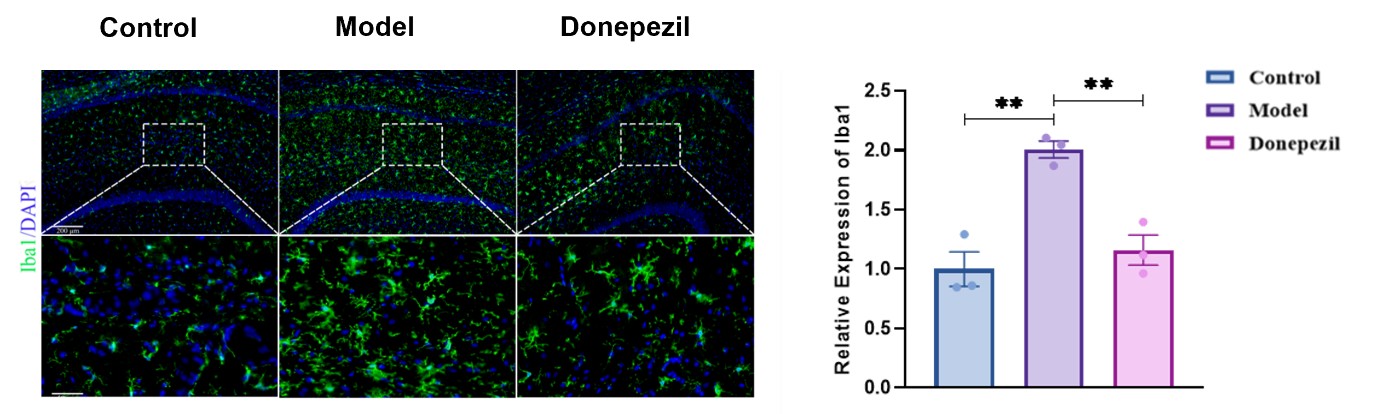
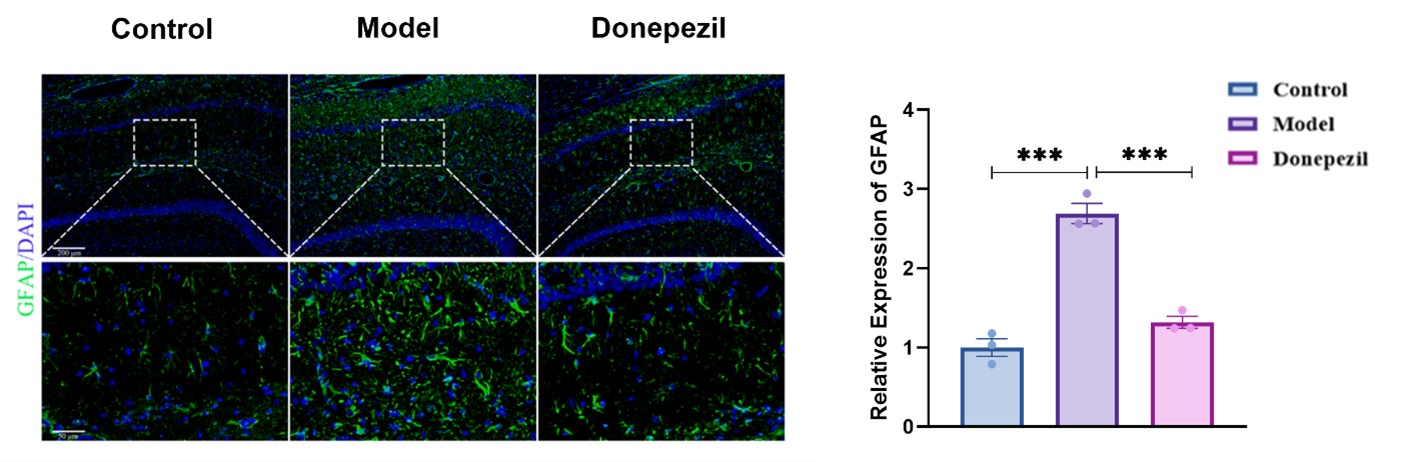
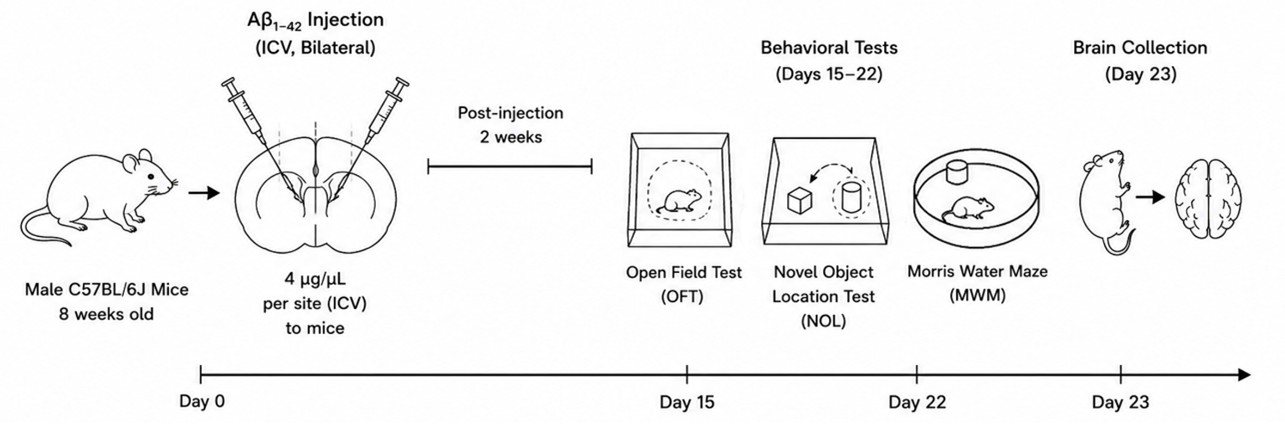
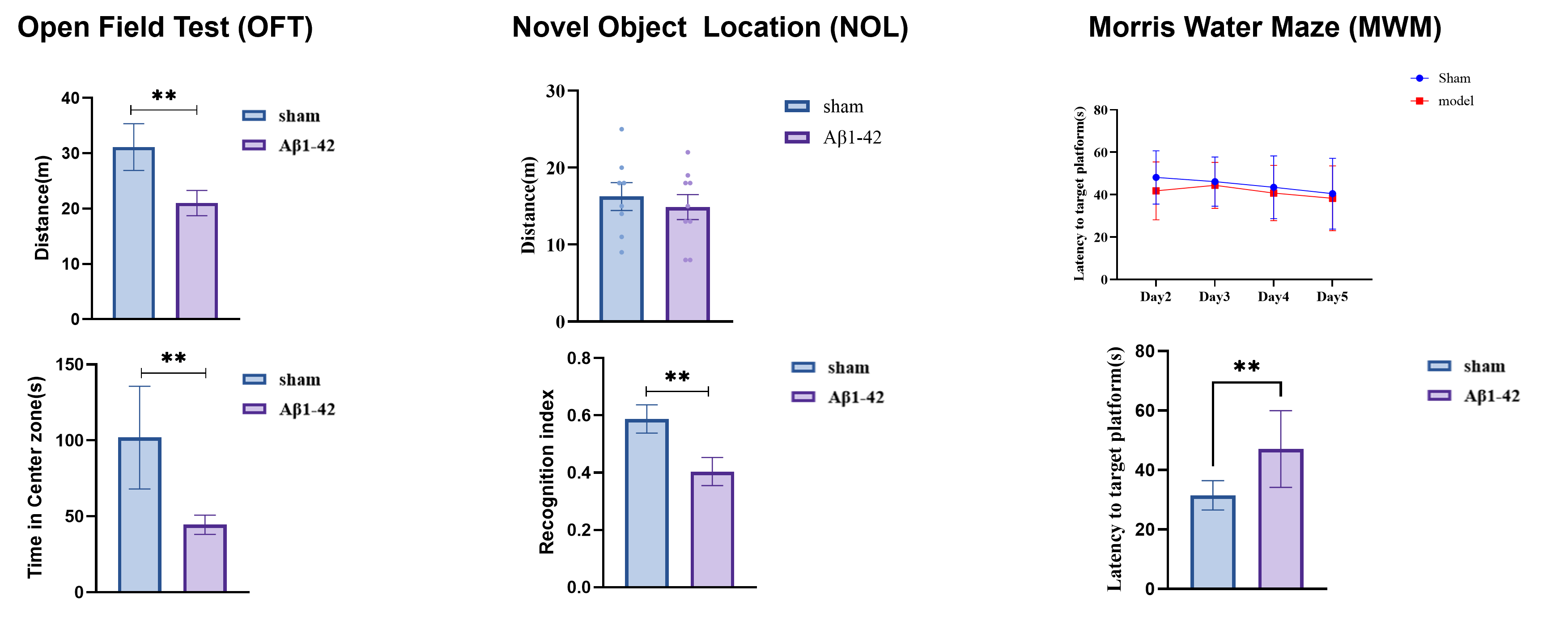
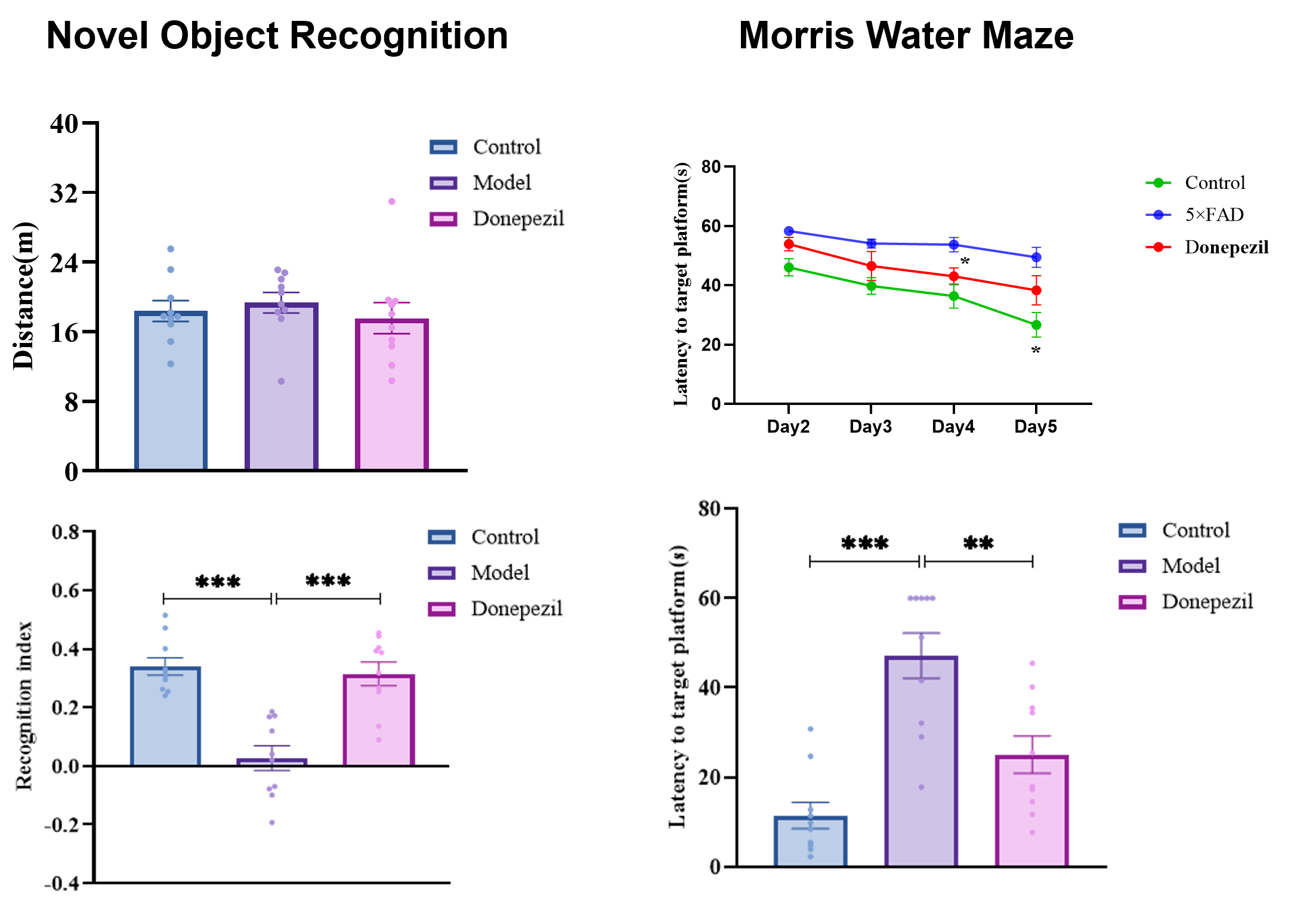
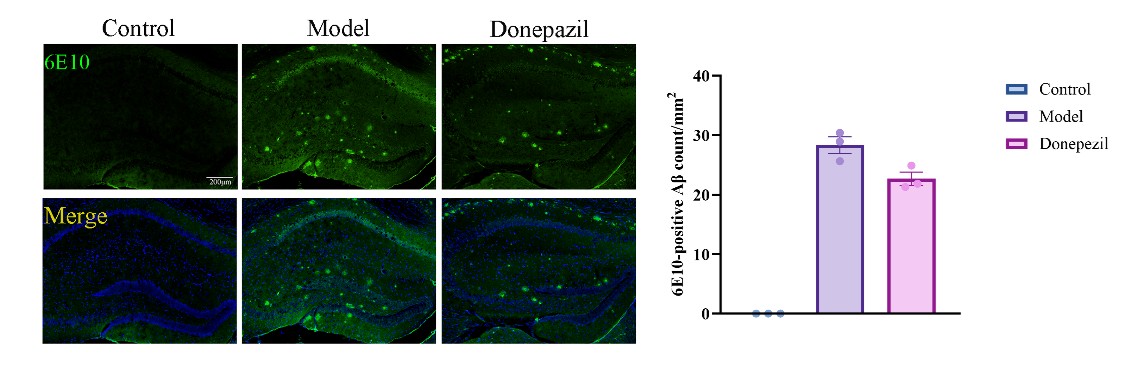
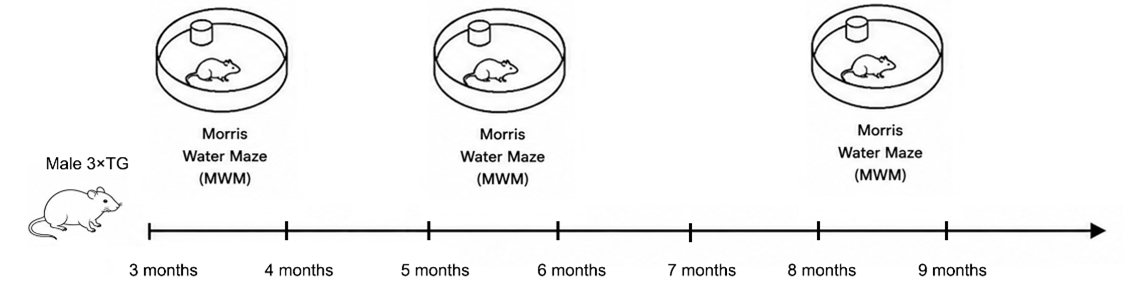
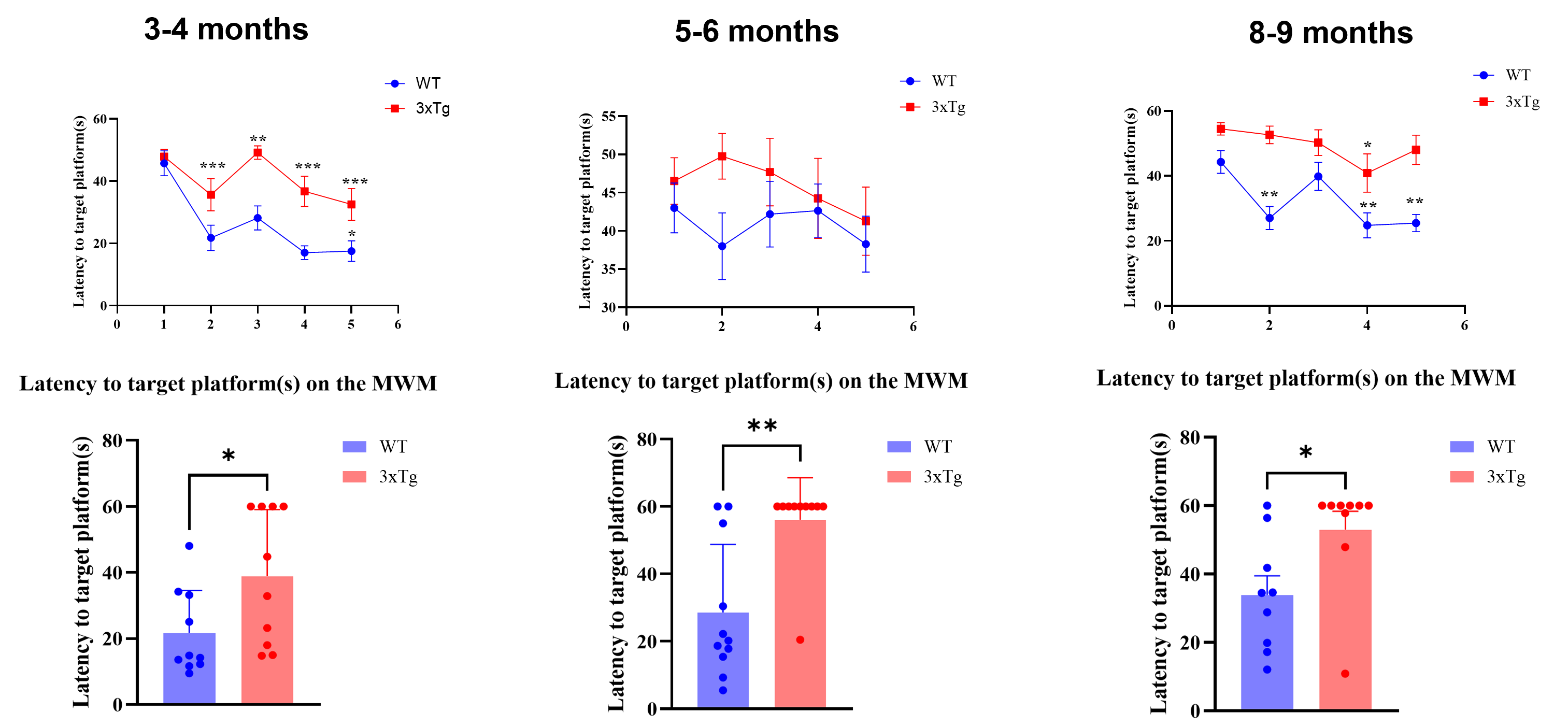
Leveraging deep expertise in neuroscience disease modeling, we have established a comprehensive portfolio of in vivo AD models, encompassing both chemically induced and transgenic approaches. Our models stably reproduce key AD phenotypes from early molecular pathology to late-stage functional decline. We deliver comprehensive cognitive behavioral assessments including Open Field Test (OFT), Novel Object Recognition (NOR), Novel Object Location (NOL), Morris Water Maze (MWM), and Y-Maze test. Complementing these, our ex vivo brain slice electrophysiology platform assesses synaptic function and plasticity to capture circuit-level deficits underlying cognitive impairment. Combined with immunofluorescence (IF), Golgi staining, and transmission electron microscopy (TEM) techniques, these models support multi-layered efficacy evaluation and mechanistic dissection spanning molecular pathology, neuronal architecture, and ultrastructural readouts.
Select a model below to review its biological rationale, experimental design, efficacy readouts, and representative data.
We value your inquiries and are here to provide you with tailored solutions for your drug discovery and development needs. Whether you have questions, require more information, or are interested in discussing potential collaborations, our team of experts is just a message away.
Feel free to reach out to us.

Address: Bldg 16, Yd 18, Kechuang 13th St, Etown, Tongzhou Dist, Beijing, 100176, China
Email: marketing@ice-biosci.com
Tel:+86-10-67809840


Get a quote

Go top